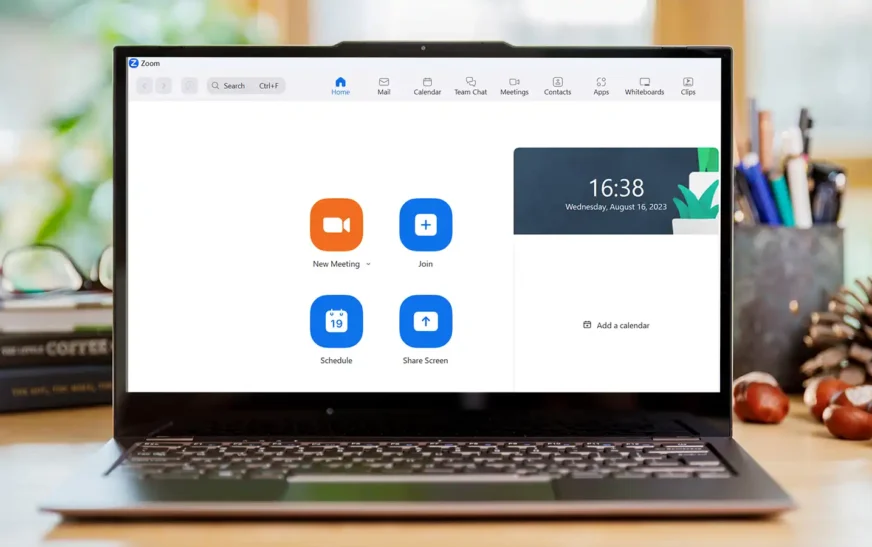
Ever felt like your Zoom calls could be smoother, more professional, or just plain easier? You’re not alone. While most users stick to the basics—joining meetings, turning on video, muting audio—there’s a whole layer of hidden features in Zoom that improve video calls waiting to be unlocked. These under-the-radar tools can dramatically enhance your meeting experience, whether you’re hosting a team stand-up, teaching a class, or catching up with family across time zones.
From smart background controls to real-time language translation, Zoom packs powerful capabilities that go far beyond the surface. In this article, we’ll reveal five of the most overlooked yet game-changing features that can transform your video conferencing from functional to fantastic. No fluff, no jargon—just practical, actionable tips you can use today.
1. Use “Touch Up My Appearance” for a Polished Look (Without Makeup)
Let’s be honest: not everyone wakes up camera-ready. Whether it’s early morning fatigue, poor lighting, or just one of those days, Zoom’s “Touch Up My Appearance” feature is a quiet hero in the world of virtual meetings. This subtle filter smooths skin, softens shadows, and gives you a naturally refreshed look—no filters or heavy editing required.
To enable it, click the up arrow next to the video icon during a meeting and select Video Settings. Under the Video tab, toggle on “Touch Up My Appearance.” The effect is gentle and professional, making it perfect for work calls, client presentations, or job interviews. It’s not about vanity—it’s about confidence. When you look good, you feel more engaged and present.
Pro tip: Pair this with good lighting (natural light from a window works wonders) for the best results. Avoid backlighting, which can make you appear silhouetted. With this feature, you’ll look sharp even on your busiest days—no makeup artist needed.
2. Enable Dual Monitors for Seamless Multitasking
If you’re juggling notes, slides, or a second screen during Zoom calls, the dual monitor support feature is a productivity powerhouse. Instead of cramming everything into one window, Zoom lets you display the speaker’s video on one screen and shared content (like a presentation or document) on another.
This setup is especially useful for educators, trainers, or anyone presenting while monitoring participant reactions. To activate it, go to Settings > Dual Monitor and check “Enable dual monitor support.” Once enabled, Zoom automatically detects your second screen and optimizes the layout.
Imagine teaching a workshop: your students see your slides on one monitor, while you keep an eye on chat and participant engagement on the other. It reduces cognitive load and keeps the flow smooth. Plus, it looks more professional—no more awkwardly resizing windows mid-call.
Bonus: You can also use this feature during large meetings to view active speakers on one screen and a gallery of all participants on the other. It’s like having a control room for your video calls.
3. Leverage Real-Time Closed Captions and Live Transcription
Accessibility isn’t just a nice-to-have—it’s essential. Zoom’s live transcription and closed captioning features make your meetings inclusive for deaf or hard-of-hearing participants, non-native speakers, or anyone in a noisy environment. And the best part? It works in real time, with no third-party tools required.
To turn on live transcription, click the CC button at the bottom of your Zoom window during a meeting. If you’re the host, you can enable it for all participants under Settings > In Meeting (Advanced) > Closed Captioning. Zoom uses AI to generate captions automatically, though you can also assign a human captioner for higher accuracy.
This feature shines in multilingual teams or global meetings. For example, a team member in Tokyo can follow along in English with captions, while someone in Berlin can review the transcript later for clarity. It also helps reduce misunderstandings—no more “Wait, what did they say?” moments.
And don’t forget: transcripts can be saved and shared post-meeting. This is gold for project managers who need to reference decisions or action items. Just go to Recordings > Cloud Recordings and download the transcript file.
4. Use Virtual Backgrounds with Green Screen Support
Virtual backgrounds aren’t just for fun—they’re a professional tool. Whether you’re working from a cluttered kitchen or want to project a branded backdrop, Zoom’s virtual background feature lets you replace your real environment with a clean, polished image or video.
But here’s the hidden gem: if you have a green screen, Zoom can detect it and apply your background with near-perfect accuracy. No more fuzzy edges or your dog’s tail poking through the virtual office wall. To use it, go to Settings > Background & Effects, place your green screen behind you, and select “I have a green screen.” Zoom will automatically detect and remove the background.
This is a game-changer for remote workers, content creators, and customer-facing roles. Imagine hosting a client call with a sleek company logo in the background—instant credibility. Or teaching a class with a dynamic world map behind you to enhance learning.
Even without a green screen, Zoom’s AI does a decent job with solid-colored walls. Just ensure good lighting and minimal shadows for best results. And remember: avoid wearing clothes that match your background color (looking at you, blue-shirt-in-front-of-blue-wall).
5. Schedule Meetings with Custom Settings Using the Zoom Scheduler
We’ve all been there: scrambling to set up a meeting, forgetting to enable waiting rooms, or accidentally allowing participants to join before the host. The Zoom Scheduler—integrated with Google Calendar and Outlook—lets you pre-configure every detail of your meeting, so you don’t have to think about it on the fly.
When you create a new event in your calendar and add Zoom as the meeting link, the Scheduler pulls in your default settings: password protection, waiting room, recording options, and more. You can even customize these per meeting. For example, enable registration for webinars or restrict screen sharing to hosts only.
This feature saves time and reduces errors. No more “Oops, I forgot to mute everyone” moments. It’s especially useful for recurring meetings like weekly team syncs or monthly all-hands. Set it once, and let Zoom handle the rest.
Pro tip: Use the “Personal Meeting ID” sparingly. While convenient, it’s less secure than generating a unique meeting ID each time. For sensitive discussions, always opt for a new ID and password.
Bonus: Use Keyboard Shortcuts to Speed Up Your Workflow
While not a hidden feature per se, Zoom’s keyboard shortcuts are often underused—and they can save you precious seconds during busy calls. Memorizing a few key combos can make you look like a pro.
- M – Mute/unmute audio
- V – Start/stop video
- Spacebar – Push to talk (when muted)
- Alt + F – Toggle full screen
- Alt + A – Mute/unmute all participants (host only)
- Alt + Y – Start/stop recording
These shortcuts work across Windows and Mac, and they’re especially handy when your hands are busy taking notes or presenting. No more fumbling with the mouse mid-sentence.
Key Takeaways
- Touch Up My Appearance gives you a natural, polished look without filters.
- Dual monitor support lets you multitask efficiently by separating video and content.
- Live transcription and captions improve accessibility and clarity for all participants.
- Virtual backgrounds with green screen create a professional backdrop with minimal effort.
- Zoom Scheduler automates meeting setup with custom, secure settings.
- Keyboard shortcuts speed up common actions and boost productivity.
These hidden features in Zoom that improve video calls aren’t just nice extras—they’re essential tools for anyone who relies on virtual communication. Whether you’re a remote worker, educator, or team leader, mastering these features can elevate your presence, save time, and make every meeting more effective.
FAQ: Hidden Zoom Features Explained
Can I use Zoom’s live transcription in languages other than English?
Yes! Zoom supports live transcription in multiple languages, including Spanish, French, German, and Japanese. However, availability depends on your region and Zoom plan. Check under Settings > In Meeting (Advanced) to see supported languages. For best results, speak clearly and avoid heavy accents or background noise.
Do I need a paid Zoom account to use these hidden features?
Most of these features are available on the free Zoom plan, including Touch Up My Appearance, virtual backgrounds, and live transcription. However, cloud recording, advanced scheduling options, and longer meeting durations require a Pro or Business plan. Dual monitor support and keyboard shortcuts work on all tiers.
How do I stop Zoom from automatically applying a virtual background?
If Zoom keeps applying a background you don’t want, go to Settings > Background & Effects and select “None.” You can also disable automatic background detection by unchecking “Automatically adjust my background” under the same menu. This ensures your real environment stays visible unless you manually choose a background.
Final Thoughts: Small Tweaks, Big Impact
You don’t need to be a tech wizard to get more out of Zoom. Sometimes, the smallest adjustments—like enabling captions or using a green screen—can make the biggest difference in how professional, inclusive, and efficient your calls feel. These hidden features in Zoom that improve video calls are designed to work quietly in the background, so you can focus on what really matters: connecting, collaborating, and communicating.
So the next time you hop on a call, take a moment to explore your settings. Try one new feature. See how it changes your experience. Because in the world of remote communication, the little things add up—and they might just be the key to your next great meeting.