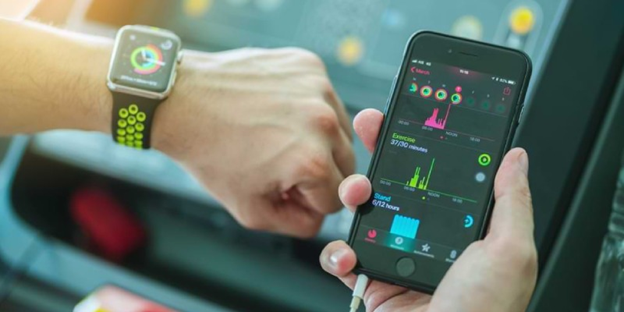
Imagine a world where your clothing monitors your stress levels, your glasses translate conversations in real time, and your ring predicts a migraine before it hits. This isn’t science fiction—it’s the reality of wearable AI, a revolution quietly unfolding beyond the familiar face of smartwatches. While Apple Watches and Fitbits dominate headlines, the next wave of intelligent wearables is redefining how we interact with technology, health, and even our own bodies. The rise of wearable AI is not just about tracking steps—it’s about embedding intelligence into every thread of daily life.
From smart rings that analyze sleep patterns to AI-powered hearing aids that adapt to noisy environments, wearable AI is evolving at breakneck speed. These devices go far beyond fitness tracking, offering real-time health diagnostics, emotional awareness, and seamless digital integration. As machine learning algorithms become smaller, faster, and more energy-efficient, the possibilities for wearable AI are expanding into fashion, healthcare, work, and even mental wellness. This shift marks a pivotal moment: we’re no longer just wearing technology—we’re living with it.
What Exactly Is Wearable AI?
Wearable AI refers to intelligent devices worn on the body that use artificial intelligence to collect, analyze, and act on personal data in real time. Unlike traditional wearables that simply record data, AI-powered versions interpret it—learning user behavior, predicting needs, and making autonomous decisions. Think of it as having a personal assistant stitched into your sleeve or embedded in your earbuds.
These devices leverage sensors, microprocessors, and cloud connectivity to deliver insights that were once only possible in clinical or lab settings. For example, a smart ring might detect irregular heart rhythms and alert you to consult a doctor, while AI-infused glasses could highlight faces in a crowd based on your social preferences. The key differentiator? Contextual intelligence. Wearable AI doesn’t just collect data—it understands it.
Core Technologies Powering Wearable AI
- Edge AI: Processing data directly on the device (instead of the cloud) for faster response times and enhanced privacy.
- Biometric Sensors: Measuring heart rate, blood oxygen, skin temperature, and even cortisol levels.
- Natural Language Processing (NLP): Enabling voice commands and real-time translation in smart earbuds or glasses.
- Predictive Analytics: Using historical data to forecast health events like seizures, anxiety spikes, or fatigue.
Beyond the Wrist: The New Frontier of Wearable AI
While smartwatches paved the way, the future of wearable AI lies in form factors that are smaller, smarter, and more seamlessly integrated into daily life. The market is rapidly diversifying, with innovations emerging in rings, earbuds, clothing, and even tattoos.
Smart Rings: Discreet Intelligence on Your Finger
Smart rings like the Oura Ring and Ultrahuman Ring Air are leading the charge in minimalist wearable AI. These sleek devices track sleep quality, body temperature, and recovery metrics—all while being nearly invisible. But the real magic happens when AI steps in. By analyzing sleep stages and physiological trends, these rings can suggest optimal bedtimes, detect early signs of illness, and even recommend workout intensity based on recovery status.
What sets them apart? Their ability to operate 24/7 without charging anxiety. Most smart rings last 5–7 days on a single charge, making them ideal for continuous health monitoring. As AI models become more sophisticated, future rings may even detect hormonal fluctuations or stress-induced cortisol spikes—offering women insights into menstrual cycles or men early warnings of burnout.
AI-Powered Earbuds: Hearing, Translating, and Healing
Smart earbuds are no longer just for music. With AI, they’re becoming personal health hubs. Companies like Nuheara and Bose are embedding noise-cancellation algorithms that adapt to your environment in real time. But the next leap? Medical-grade hearing assistance and cognitive support.
Imagine earbuds that amplify speech in a noisy restaurant while filtering out background chatter—using AI to isolate voices based on your preferences. Or devices that monitor ear temperature and detect early signs of infection. Some prototypes even use EEG sensors to measure brainwave activity, offering insights into focus, relaxation, or mental fatigue. For people with hearing loss, AI-driven hearing aids now offer personalized sound profiles that learn and adjust based on listening environments.
Smart Clothing: Fabric That Feels You
The line between fashion and function is blurring. Smart clothing embedded with flexible sensors and AI processors is turning garments into health monitors. Companies like Hexoskin and Sensoria have developed shirts that track respiration, heart rate, and posture during workouts. But the real innovation lies in everyday wear.
Picture a jacket that warms up when it senses your body temperature dropping, or a bra that monitors breast tissue changes for early cancer detection. Researchers are even exploring “e-textiles” with conductive threads that transmit data to a smartphone app. AI interprets this data to detect anomalies—like irregular breathing patterns during sleep or muscle fatigue during long work hours.
One standout example is the AI-integrated undershirt by Carin, which analyzes breathing rhythms to detect anxiety or panic attacks. When stress is detected, it sends a gentle vibration to prompt deep breathing—acting as a wearable mindfulness coach.
AI Tattoos and Skin Patches: The Future on Your Skin
The most futuristic frontier? Temporary AI tattoos and epidermal electronics. These ultra-thin, flexible patches adhere to the skin like a sticker and monitor vital signs with medical-grade precision. Google and MC10 have experimented with “smart tattoos” that change color based on glucose or hydration levels.
More advanced versions use micro-sensors and AI to track biomarkers like lactate, alcohol, or electrolytes—ideal for athletes, diabetics, or emergency responders. Some prototypes even include drug-delivery systems that release medication when needed, guided by real-time health data. While still in early stages, these devices could revolutionize chronic disease management and preventive care.
Healthcare Transformation: Wearable AI as a Diagnostic Tool
One of the most impactful applications of wearable AI is in healthcare. With chronic diseases on the rise and healthcare systems under strain, early detection and continuous monitoring are critical. Wearable AI is stepping in as a proactive health ally—catching issues before they become emergencies.
Early Disease Detection
AI algorithms can detect subtle changes in physiological data that humans might miss. For instance, the Apple Watch has already alerted users to irregular heart rhythms, leading to diagnoses of atrial fibrillation. But newer devices go further. The BioIntelliSense BioSticker, used in clinical trials, monitors temperature, respiratory rate, and activity to detect early signs of infection—potentially catching sepsis before symptoms appear.
Similarly, AI-powered sleep trackers can identify patterns linked to sleep apnea, depression, or neurodegenerative diseases like Parkinson’s. By analyzing movement, heart rate variability, and breathing, these devices offer non-invasive screening tools that could reduce hospital visits and improve outcomes.
Personalized Medicine and Treatment
Wearable AI enables truly personalized healthcare. Instead of one-size-fits-all treatments, doctors can use real-time data to tailor therapies. For example, a diabetic patient wearing a continuous glucose monitor (CGM) paired with AI can receive insulin dosage recommendations based on diet, activity, and stress levels.
Mental health is another frontier. Devices like the Feel wristband use AI to analyze emotional states through skin conductance and heart rate, offering users feedback and coping strategies. In clinical settings, such data can help therapists adjust treatment plans dynamically.
Privacy, Ethics, and the Human Factor
With great power comes great responsibility. As wearable AI collects intimate health and behavioral data, concerns about privacy, consent, and data misuse are growing. Who owns your biometric data? Can employers access your stress levels? Could insurers raise premiums based on sleep quality?
Regulations like GDPR and HIPAA offer some protection, but the wearable AI landscape is evolving faster than legislation. Transparency is key. Users must understand what data is collected, how it’s used, and who has access. Companies must prioritize on-device processing (edge AI) to minimize cloud storage and reduce hacking risks.
Ethical design also matters. AI should empower, not manipulate. For example, a smart ring that nags you to exercise may motivate some but trigger anxiety in others. The best wearable AI respects user autonomy—offering insights, not commands.
The Road Ahead: What’s Next for Wearable AI?
The future of wearable AI is not just about more devices—it’s about deeper integration. We’re moving toward a world where AI is invisible, intuitive, and always on. Here’s what to expect:
- Emotionally Intelligent Devices: Wearables that recognize mood and respond with calming music, breathing exercises, or social suggestions.
- Seamless Ecosystems: Devices that communicate with each other—your ring tells your thermostat to lower the temperature when you’re stressed.
- AI-Powered Fashion: Clothing that changes color or texture based on your mood or environment, guided by biometric feedback.
- Medical-Grade Consumer Devices: FDA-approved wearables for chronic disease management, available over the counter.
By 2030, wearable AI could become as commonplace as smartphones are today. But success will depend on balancing innovation with trust. Users won’t adopt technology they don’t understand or control.
Key Takeaways
- Wearable AI is evolving beyond smartwatches into rings, earbuds, clothing, and skin patches.
- These devices use AI to interpret health data, predict issues, and offer personalized insights.
- Applications span fitness, mental health, chronic disease management, and preventive care.
- Privacy and ethical design are critical to widespread adoption.
- The future lies in invisible, intuitive, and emotionally aware wearable technology.
FAQ
What makes wearable AI different from regular fitness trackers?
Wearable AI goes beyond data collection by using artificial intelligence to analyze patterns, predict health events, and adapt to user behavior. Unlike basic trackers that show step counts, AI-powered devices offer contextual insights—like suggesting a rest day based on recovery metrics or detecting early signs of illness.
Are wearable AI devices safe for long-term use?
Most wearable AI devices are designed for continuous use and undergo rigorous testing. However, users should follow manufacturer guidelines and consult healthcare providers if they have sensitive skin, pacemakers, or other medical conditions. Always choose devices with strong privacy policies and data encryption.
Can wearable AI replace doctor visits?
No—wearable AI is a complementary tool, not a replacement for professional medical care. While it can detect anomalies and encourage early consultations, it cannot diagnose diseases. Always consult a healthcare provider for accurate diagnosis and treatment.
Final Thoughts
The rise of wearable AI marks a profound shift in how we understand and manage our health. No longer confined to the wrist, intelligent technology is weaving itself into the fabric of daily life—quietly, intelligently, and with growing impact. From smart rings that whisper health insights to AI tattoos that glow with data, the future is wearable, personal, and profoundly human.
As these devices become smarter and more integrated, the challenge won’t be keeping up with innovation—but ensuring it serves us, not the other way around. The most successful wearable AI won’t shout for attention. It will simply know you—better than you know yourself.