So you want to create your own personal website—but where do you even start? Whether you’re building a portfolio, sharing your blog, or launching a freelance career, having your own corner of the internet is no longer optional—it’s essential. The good news? You don’t need to be a coding wizard or spend thousands on developers. With the right tools and a clear roadmap, anyone can launch a professional-looking site in under a day.
This step-by-step guide walks you through every phase—from choosing a domain name to hitting “publish”—with zero fluff and maximum practicality. We’ll cover hosting, design platforms, content strategy, and even how to make your site load fast and look great on phones. By the end, you’ll have a live, functional personal website that truly represents you—no prior experience required.
Why You Need a Personal Website in 2024
In today’s digital-first world, your personal website acts as your online headquarters. It’s more than just a resume or social media profile—it’s a controlled space where you own your narrative, showcase your work, and connect directly with your audience.
Think of it this way: if LinkedIn is your digital handshake, your personal website is your full conversation. Employers, clients, and collaborators increasingly expect professionals—especially freelancers, creatives, and entrepreneurs—to have their own domain. It signals credibility, intentionality, and professionalism.
Plus, unlike social platforms that can change algorithms or disappear overnight (remember MySpace?), your website is yours forever. You control the design, the content, and the message—no middlemen, no distractions, no ads cluttering your story.
Key Benefits of Owning Your Personal Website
- Full creative control over layout, branding, and user experience
- Improved SEO visibility—your content ranks on Google under your name or niche
- Direct audience engagement without relying on third-party platforms
- Monetization opportunities through ads, digital products, or affiliate links
- Long-term asset building—your site grows in value as your reputation does
Step 1: Define Your Website’s Purpose and Goals
Before touching any code or signing up for services, ask yourself: What do I want this website to achieve? Your answer will shape every decision that follows.
Are you showcasing photography? Writing thought leadership articles? Offering consulting services? Each goal demands a different structure, tone, and feature set. A portfolio site needs strong visuals and minimal text. A blog requires easy content management and social sharing tools. A service-based site needs clear calls-to-action and contact forms.
Write down your primary objective. Then list 2–3 secondary goals. For example:
- Primary: Attract freelance design clients
- Secondary: Share behind-the-scenes process, collect email subscribers
This clarity prevents feature bloat and keeps your site focused, fast, and effective.
Step 2: Choose the Right Domain Name
Your domain name is your digital address—it should be memorable, brandable, and ideally include your name or niche keyword. Aim for simplicity: shorter is almost always better.
Start with yourname.com. If that’s taken, try variations like yourname.design, getyourname.com, or yourname.co. Avoid numbers, hyphens, or awkward spellings—they’re hard to remember and easy to mistype.
Use free tools like Namecheap, GoDaddy, or Porkbun to check availability. Many registrars offer free WHOIS privacy protection (hides your personal info from public databases)—always enable this for security.
Pro tip: Register your domain for 2–3 years upfront. It’s cheaper per year, and you avoid the panic of accidentally letting it expire.
Step 3: Pick a Reliable Web Hosting Provider
Web hosting is where your website lives online. Think of it as renting server space—your files, images, and database all reside there. For personal sites, you don’t need enterprise-level infrastructure, but reliability and speed matter.
For beginners, shared hosting is perfect. It’s affordable (often under $5/month), easy to manage, and sufficient for low-to-moderate traffic. Top picks include:
- SiteGround: Excellent customer support and WordPress optimization
- Bluehost: Official WordPress recommendation, one-click installs
- DreamHost: Strong uptime, eco-friendly, includes free domain
Avoid free hosts like 000webhost—they’re slow, insecure, and often inject ads into your site. Paying a few dollars a month buys you peace of mind, better performance, and professional credibility.
Step 4: Select a Website Builder or CMS
Now comes the fun part: choosing how to build your site. You have two main paths—website builders (drag-and-drop) or content management systems (CMS) like WordPress.
Option A: Drag-and-Drop Website Builders
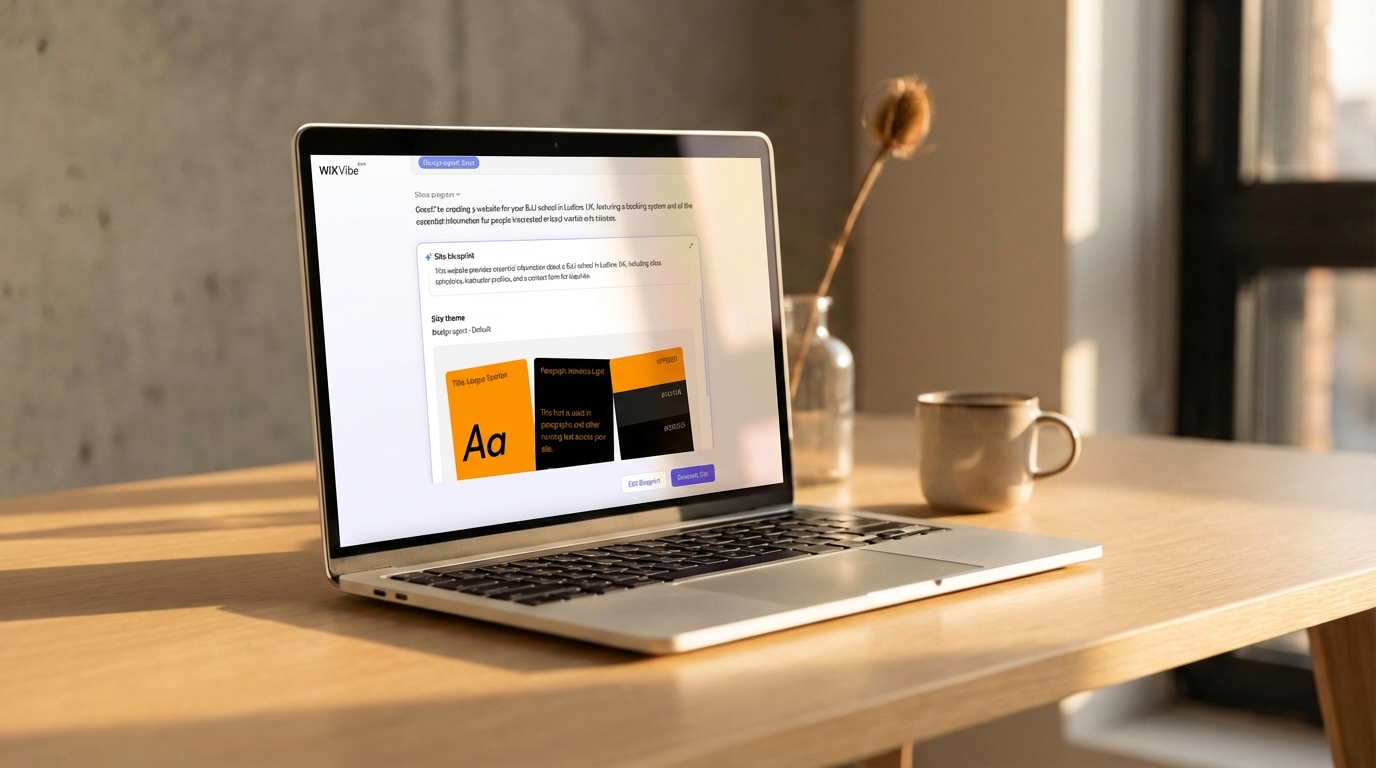
Perfect for absolute beginners who want speed and simplicity. Platforms like Squarespace, Wix, and Webflow offer stunning templates, intuitive editors, and built-in hosting.
Pros:
- No coding needed
- All-in-one solution (hosting + design + domain management)
- Mobile-responsive templates out of the box
Cons:
- Less flexibility for advanced customization
- Can be costly long-term (monthly fees add up)
- Harder to migrate if you outgrow the platform
Option B: WordPress.org (Self-Hosted)
WordPress powers over 40% of all websites—for good reason. It’s free, open-source, endlessly customizable, and supported by a massive community.
With WordPress, you install it on your own hosting (most providers offer one-click installs). Then use themes (designs) and plugins (features) to build exactly what you want.
Pros:
- Complete control over design and functionality
- Thousands of free themes and plugins
- Best for SEO and scalability
Cons:
- Steeper learning curve
- You manage updates, backups, and security
For most personal websites aiming for growth and professionalism, WordPress is the gold standard.
Step 5: Install and Customize Your Theme
Once your hosting and CMS are ready, it’s time to pick a theme—the visual foundation of your site.
In WordPress, go to Appearance > Themes > Add New. Filter by “Personal” or “Portfolio” and look for:
- Clean, minimal design
- Fast loading speed (check reviews)
- Mobile responsiveness
- Compatibility with page builders (like Elementor or Gutenberg)
Popular free themes include Astra, Neve, and OceanWP. Premium options like Divi or GeneratePress offer more advanced customization.
After installing, customize colors, fonts, and layout to match your personal brand. Use your logo (even a simple text-based one works) and ensure your site feels cohesive from page to page.
Step 6: Create Essential Pages
A strong personal website includes these core pages:
Homepage
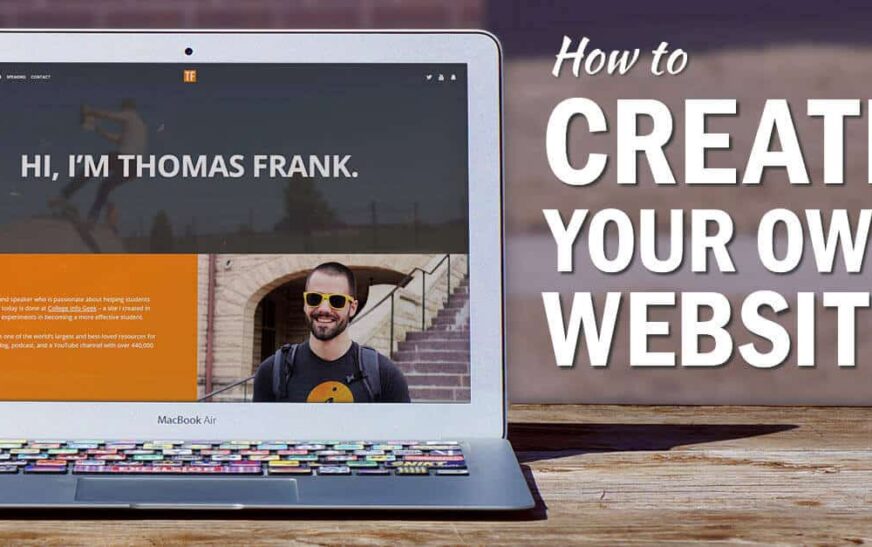
Your digital front door. Include a clear headline (“Hi, I’m [Name]—[Your Role]”), a brief intro, a call-to-action (“View My Work” or “Get In Touch”), and links to key sections.
About Page
Tell your story. Share your background, values, and what makes you unique. Add a professional photo—people connect with faces. Keep it authentic, not corporate.
Portfolio / Work Samples
Show, don’t just tell. Use high-quality images, case studies, or project descriptions. Group work by category if needed (e.g., “Web Design,” “Writing Samples”).
Blog (Optional but Powerful)
Regularly publishing content boosts SEO and positions you as an expert. Even 1–2 posts per month can drive traffic and engagement.
Contact Page
Make it easy for visitors to reach you. Include a simple contact form (use plugins like WPForms), your email, and links to social profiles. Add a map if you have a physical location.
Bonus: Add a 404 page with a friendly message and navigation links—it improves user experience when someone hits a broken link.
Step 7: Optimize for Speed and Mobile
A slow or broken mobile site drives visitors away—fast. Google prioritizes mobile-friendly, fast-loading sites in search results.
To optimize:
- Compress images before uploading (use TinyPNG or ShortPixel)
- Use a caching plugin (like WP Super Cache or LiteSpeed Cache)
- Minimize plugins—only install what you truly need
- Choose a lightweight theme (avoid bloated page builders unless necessary)
- Test on real devices—use Chrome DevTools or BrowserStack
Run your site through Google PageSpeed Insights or GTmetrix to identify performance bottlenecks. Aim for a score above 80 on mobile.
Step 8: Set Up Basic SEO
SEO (Search Engine Optimization) helps people find your site when they search for topics related to your work.
Start with these essentials:
- Install an SEO plugin like Rank Math or Yoast SEO (free versions work great)
- Write unique page titles and meta descriptions for every page
- Use header tags (H1, H2, H3) to structure content
- Include your name or niche keywords naturally in headings and body text
- Add alt text to images (describes the image for screen readers and SEO)
Don’t stuff keywords—write for humans first. But do ensure your site answers common questions in your field. For example, if you’re a copywriter, a blog post titled “How to Write a High-Converting About Page” could rank well and attract ideal clients.
Step 9: Launch and Promote Your Site
You’re ready to go live! But don’t just hit publish and disappear.
Before launching:
- Proofread all text
- Test all links and forms
- Check how your site looks on desktop, tablet, and phone
- Set up Google Search Console and Google Analytics
Once live, share your website strategically:
- Update your LinkedIn, email signature, and business cards
- Announce it on social media with a personal note
- Ask friends or colleagues for feedback (and maybe a testimonial!)
- Submit your sitemap to Google via Search Console
Remember: Your website is never “finished.” Update it regularly with new projects, blog posts, or design tweaks. The more you maintain it, the more valuable it becomes.
Key Takeaways
- Creating your own personal website is achievable in hours—not weeks—with modern tools
- Start by defining your goal: portfolio, blog, services, or personal brand
- Choose a memorable domain and reliable hosting (avoid free options)
- WordPress offers the best balance of flexibility and control for long-term growth
- Focus on mobile responsiveness, speed, and clear navigation
- Basic SEO and regular updates keep your site visible and relevant
FAQ: Common Questions About Building a Personal Website
How much does it cost to create a personal website?
You can launch a professional site for under $100/year. Domain registration costs ~$10–15/year, and shared hosting starts at ~$3–5/month. Free builders exist but limit customization and branding. For serious personal branding, investing in your own domain and hosting is worth every penny.
Do I need to know how to code?
Not at all. Platforms like WordPress, Wix, and Squarespace let you build beautiful sites with drag-and-drop tools. You only need coding skills if you want highly custom features—and even then, thousands of plugins can handle most needs without touching code.
How long does it take to build a personal website?
A basic site with 4–5 pages can be built in 2–4 hours if you have your content ready. More complex sites (e.g., with e-commerce or membership features) may take a weekend. The key is preparation: gather photos, write copy, and choose a theme beforehand.
Your personal website is more than a digital resume—it’s your online identity, your creative outlet, and your gateway to new opportunities. With this step-by-step guide, you now have everything you need to build a site that’s uniquely yours. So what are you waiting for? Your corner of the internet is ready.