Ever clicked a “Login with Google” button, checked the weather on your phone, or seen real-time stock prices on a website—and wondered how all that data just *appears* out of nowhere? That’s the quiet magic of APIs. If you’ve ever felt intimidated by the term “API” because it sounds like something only software engineers understand, you’re not alone. But here’s the truth: you don’t need to be a programmer to use APIs. This guide is for marketers, small business owners, content creators, and everyday users who want to harness the power of APIs—without writing a single line of code.
In this Non-Techie’s Guide to Using APIs, we’ll break down what APIs really are, how they work in plain English, and show you practical, real-world ways to use them—even if you’ve never touched a command line. Whether you’re automating social media posts, pulling customer data into a spreadsheet, or connecting your online store to a shipping service, APIs are the invisible glue making it all happen. And the best part? You can start using them today.
What Exactly Is an API? (And Why Should You Care?)
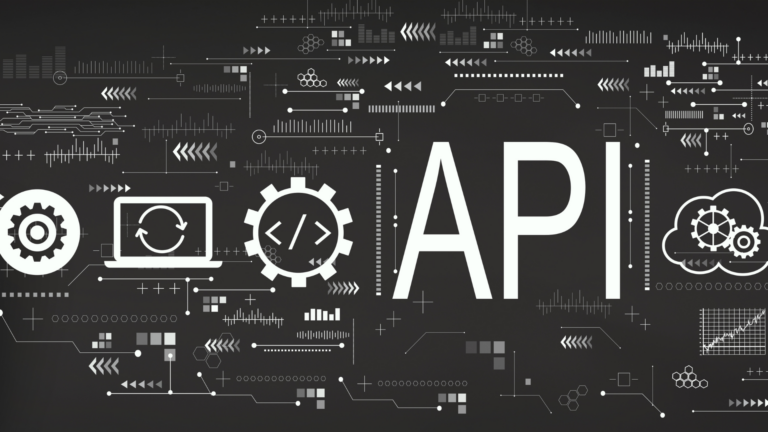
Let’s start with the basics. API stands for Application Programming Interface. That sounds fancy, but think of it like a waiter in a restaurant. You (the customer) sit at your table and want food (data or a service). The kitchen (the system) has what you need, but you can’t just walk in and grab it. The waiter (the API) takes your order, communicates it to the kitchen, brings back your food, and serves it to you—neatly plated and ready to eat.
In tech terms, an API is a messenger that allows two software applications to talk to each other. When you use a weather app, it doesn’t generate the forecast itself. Instead, it sends a request via an API to a weather service (like OpenWeatherMap), which sends back the current conditions. The app then displays that info to you. No coding required on your end—just a smooth, seamless experience.
APIs are everywhere. They power:
- Social media logins (“Sign in with Facebook”)
- Payment processing (Stripe, PayPal)
- Map services (Google Maps on websites)
- Email automation (Mailchimp sending emails)
- E-commerce integrations (Shopify connecting to FedEx)
And the beauty? Many of these APIs come with tools that let non-developers use them—no coding needed.
How Do APIs Work? A Simple Breakdown
Let’s demystify the process. When you use an API, here’s what happens behind the scenes:
- You make a request: This could be clicking a button, filling out a form, or running a tool like Zapier.
- The API sends your request: It packages your ask (like “Get today’s weather in London”) and sends it to the right server.
- The server processes the request: The system checks your credentials, finds the data, and prepares a response.
- The API delivers the response: The server sends the data back (e.g., “It’s 18°C and sunny”), and your app or tool displays it.
All of this happens in milliseconds. And the best part? You don’t need to understand the server logic, databases, or code. You just need to know how to trigger the request and use the result.
Types of APIs You’ll Encounter
Not all APIs are created equal. Here are the main types you’ll come across:
- REST APIs: The most common type. They use simple web requests (like HTTP) and return data in formats like JSON. Easy to use with no-code tools.
- SOAP APIs: Older, more complex, and used in enterprise systems. Less common for everyday users.
- GraphQL APIs: Allow you to request exactly the data you need—no more, no less. Growing in popularity, especially with developers.
- Webhooks: Instead of you asking for data, the API sends it to you automatically when something happens (e.g., a new order comes in).
For non-techies, REST APIs and webhooks are the most accessible and widely supported by no-code platforms.
Real-World Examples: How Non-Techies Use APIs Every Day
You might be surprised how often you’re already using APIs—even if you didn’t know it. Here are some common, practical examples:
1. Automating Social Media Posts
Imagine you run a small business and post daily updates to Instagram, Facebook, and Twitter. Doing this manually takes time. With an API, you can connect your content calendar (like Google Sheets) to a tool like Zapier or Make (formerly Integromat). When you add a new row to your sheet, the API automatically posts it across all platforms.
No coding. Just a few clicks to set up the connection.
2. Pulling Customer Data into Google Sheets
Let’s say you use Shopify for your online store. Every time someone places an order, you want that info in a Google Sheet for easy tracking. Shopify’s API lets you export order data. Tools like Zapier or Sheetgo can fetch that data via the API and update your sheet in real time.
Result? Your inventory, sales, and customer lists stay up to date—without lifting a finger.
3. Embedding Live Weather or Stock Data
Bloggers and news sites often show live weather or stock prices. They don’t generate this data themselves. Instead, they use APIs from services like OpenWeatherMap or Alpha Vantage. With a simple plugin or embed code (often provided by the API), they display real-time info on their site.
Even if you’re not a coder, WordPress plugins like “WP OpenWeather” let you add weather widgets using an API key—no technical skills required.
4. Connecting Email Marketing to Your Website
When someone signs up for your newsletter, you want them added to your email list automatically. Services like Mailchimp offer APIs that connect to forms on your website. When a user submits the form, the API sends their email to Mailchimp, and they’re added to your campaign.
Most website builders (like Wix, Squarespace, or WordPress) have built-in integrations that handle this behind the scenes.
How to Use APIs Without Coding: Tools for Non-Techies
Now for the exciting part: you can use APIs without writing code. Thanks to no-code and low-code platforms, anyone can connect apps, automate workflows, and pull data—all through simple interfaces.
Top No-Code Tools for Using APIs
- Zapier: Connects over 6,000 apps. Set up “Zaps” that trigger actions when something happens (e.g., “When a new Gmail arrives, add it to a Google Sheet”).
- Make (Integromat): More visual and powerful than Zapier. Great for complex workflows with multiple steps.
- n8n: Open-source alternative. Slightly more technical but still no-code friendly.
- Parabola: Perfect for data workflows. Pull data from APIs, clean it, and export to spreadsheets or dashboards.
- Retool: Lets you build internal tools (like admin dashboards) using APIs—great for small teams.
These tools act as bridges. You tell them which apps to connect, what data to move, and when to act. The API does the heavy lifting.
Step-by-Step: Using an API with Zapier (Example)
Let’s walk through a real example: automatically saving Instagram posts to a Google Sheet.
- Sign up for Zapier and connect your Instagram and Google Sheets accounts.
- Create a new “Zap.” Choose Instagram as the trigger app and select “New Post.”
- Choose Google Sheets as the action app. Select “Create Spreadsheet Row.”
- Map the data: Tell Zapier to take the post caption, image URL, and timestamp from Instagram and add them to your sheet.
- Test the Zap. Post something on Instagram. Watch it appear in your Google Sheet—automatically.
That’s it. No code. No servers. Just a few minutes of setup.
Getting Started: Your First API Project
Ready to try it yourself? Here’s a simple, beginner-friendly project to get your feet wet.
Project: Build a Personal Dashboard with Live Data
Imagine a single webpage that shows:
- Today’s weather
- Your latest Twitter mentions
- Your calendar events
- Stock portfolio value
You can build this using free tools and APIs—no coding required.
Steps:
- Use Notion or Glide to create a simple dashboard.
- Connect to OpenWeatherMap API for weather (free tier available).
- Use Zapier to pull Twitter mentions into a Google Sheet, then embed the sheet.
- Link your Google Calendar using an embed code.
- Use Alpha Vantage API to fetch stock prices and display them in a table.
Within an hour, you’ll have a personalized, real-time dashboard—powered entirely by APIs.
Common Challenges (And How to Solve Them)
Even with no-code tools, you might run into a few bumps. Here’s how to handle them:
1. “I Can’t Find the Right API”
Many services offer public APIs. Check their developer pages:
- Google: developers.google.com
- Twitter: developer.twitter.com
- OpenWeatherMap: openweathermap.org/api
If a service doesn’t have an API, look for third-party tools that bridge the gap (like Zapier integrations).
2. “I Need an API Key—What’s That?”
An API key is like a password. It identifies you and tracks your usage. Most free APIs require one. To get it:
- Sign up on the provider’s website.
- Go to the API section and generate a key.
- Copy and paste it into your tool (like Zapier or a plugin).
Keep your key private—don’t share it publicly.
3. “The Data Isn’t Updating”
Check:
- Is the API still active? (Some free tiers expire.)
- Are you hitting rate limits? (Most APIs limit requests per minute.)
- Is the trigger working? (Test your Zap or workflow.)
Most tools have logs or error messages to help you debug.
Key Takeaways: What Every Non-Techie Should Know About APIs
- APIs are messengers that let apps share data—no coding needed on your end.
- You use APIs every day: weather apps, social logins, payment systems.
- No-code tools like Zapier and Make let you connect APIs without programming.
- Start small: automate one task, like saving emails to a spreadsheet.
- Always use API keys securely and respect rate limits.
- APIs save time, reduce errors, and unlock powerful automation.
FAQ: Your Questions About APIs, Answered
Do I need to learn coding to use APIs?
No. While developers use APIs to build software, non-techies can use no-code platforms like Zapier, Make, or Parabola to connect APIs without writing code. These tools provide visual interfaces and pre-built integrations.
Are APIs safe to use?
Yes, when used properly. Reputable APIs use encryption (HTTPS) and require authentication (like API keys). Always use trusted providers and never share your keys publicly. Avoid unofficial or pirated APIs.
Can I use APIs for free?
Many APIs offer free tiers with limited requests per month (e.g., 1,000 calls). Great for personal projects or small businesses. Paid plans unlock higher limits and advanced features. Always check the pricing before starting.
Final Thoughts: APIs Are for Everyone
APIs aren’t just for tech experts. They’re practical tools that can save you hours, streamline your work, and help you do more with less effort. Whether you’re a freelancer, entrepreneur, or hobbyist, learning how to use APIs—even without coding—opens up a world of possibilities.
Start small. Pick one task you do manually. Ask: “Could an API automate this?” Then explore the tools and services that can make it happen. With a little curiosity and the right no-code platform, you’ll be amazed at what you can build.
The future of productivity isn’t just about working harder—it’s about working smarter. And APIs are one of the simplest, most powerful ways to do just that.