Imagine writing sales copy that doesn’t just sound good—but actually sells. Copy that grabs attention, builds trust, and drives action—without spending hours staring at a blank screen. That’s exactly what you can achieve when you learn how to use AI tools to write high-converting sales copy. Whether you’re a marketer, entrepreneur, or freelancer, AI-powered writing assistants are revolutionizing the way persuasive content is created. In this guide, you’ll discover practical, battle-tested strategies to leverage AI for crafting compelling offers, irresistible headlines, and conversion-focused messaging that turns readers into buyers.
Why AI Is a Game-Changer for Sales Copywriting
Gone are the days when writing effective sales copy meant relying solely on intuition or years of experience. Today, AI tools analyze vast datasets of high-performing copy to generate suggestions that are not only creative but also optimized for conversions. These tools understand psychological triggers, emotional language, and structural patterns that resonate with audiences.
AI doesn’t replace human creativity—it amplifies it. By automating the heavy lifting—like brainstorming angles, refining tone, or A/B testing variations—you free up mental space to focus on strategy and personalization. The result? Faster output, higher consistency, and copy that’s scientifically tuned to perform.
Key Benefits of Using AI for Sales Copy
- Speed: Generate multiple copy variations in minutes, not hours.
- Data-Driven Insights: AI learns from top-performing campaigns to suggest high-impact phrases.
- Consistency: Maintain brand voice across emails, landing pages, and ads.
- Scalability: Easily adapt copy for different audiences, products, or platforms.
- Reduced Writer’s Block: Get instant inspiration when creativity stalls.
Choosing the Right AI Tools for High-Converting Copy
Not all AI writing tools are created equal. Some specialize in long-form content, while others excel at short, punchy sales messages. To write high-converting sales copy, you need tools that understand persuasion, urgency, and emotional appeal.
Top AI Tools for Sales Copywriting
- Jasper (formerly Jarvis): Built specifically for marketers, Jasper offers templates for sales pages, email sequences, and ad copy. Its “Boss Mode” allows for long-form control and brand voice training.
- Copy.ai: Great for quick ideation. Use it to generate headlines, product descriptions, and call-to-action (CTA) variations in seconds.
- Writesonic: Combines AI copywriting with landing page builders. Ideal for creating full-funnel campaigns with integrated copy and design.
- Anyword: Unique for its predictive performance scoring. It tells you which version of your copy is likely to convert best before you even launch.
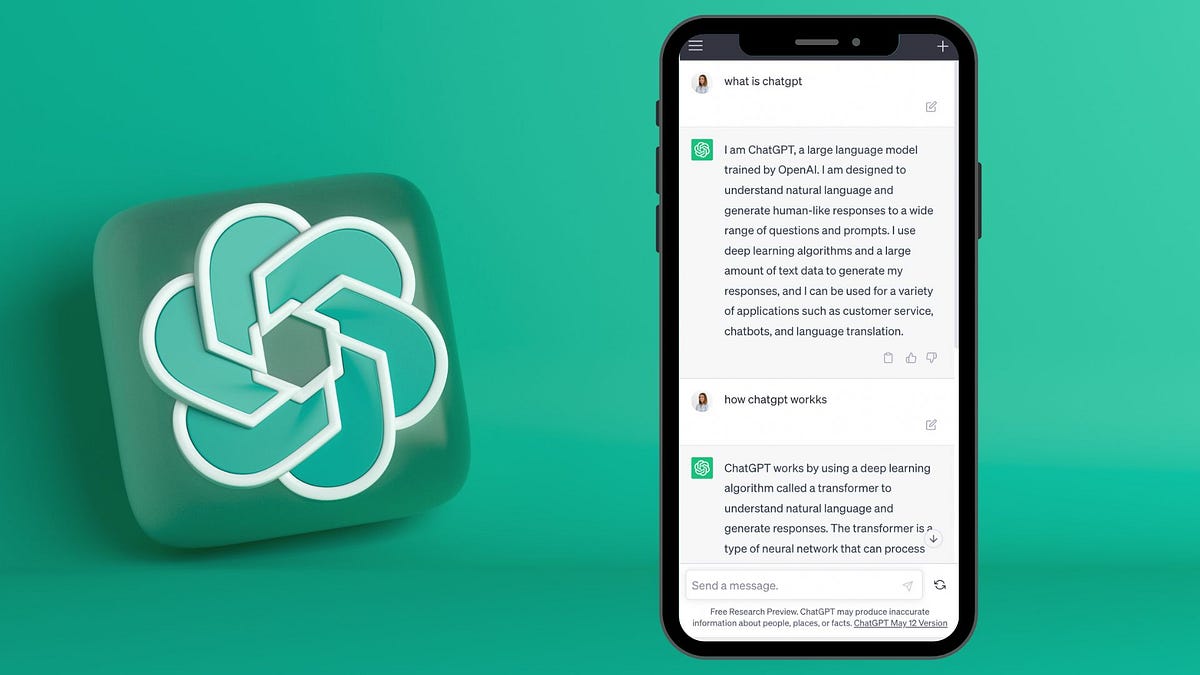
- ChatGPT (with custom prompts): While general-purpose, ChatGPT can be fine-tuned with specific sales frameworks (like AIDA or PAS) to produce targeted copy.
When selecting a tool, consider your workflow. Do you need speed? Personalization? Integration with CRM or email platforms? Test a few options with free trials to find the best fit.
Step-by-Step: How to Use AI to Write High-Converting Sales Copy
AI is powerful, but it’s not magic. To get the best results, you need a structured approach. Follow this step-by-step process to turn AI output into sales-winning copy.
Step 1: Define Your Goal and Audience
Before typing a single prompt, clarify what you want the copy to achieve. Are you driving sign-ups, selling a product, or nurturing leads? Then, identify your target audience: their pain points, desires, and language.
Example: Instead of “Write a sales email,” try “Write a sales email for busy moms who want to lose weight without dieting, promoting a 30-day fitness app.”
Step 2: Use Persuasive Frameworks in Your Prompts
AI responds best to structured instructions. Use proven copywriting frameworks to guide the output:
- AIDA: Attention, Interest, Desire, Action
- PAS: Problem, Agitation, Solution
- FAB: Features, Advantages, Benefits
- 4 Cs: Clear, Concise, Compelling, Credible
Example prompt: “Use the PAS framework to write a Facebook ad for a productivity course targeting overwhelmed freelancers.”
Step 3: Generate Multiple Variations
Never settle for the first output. Ask the AI to create 3–5 versions of your headline, CTA, or opening line. This gives you options to test and refine.
Example: “Generate 5 different headlines for a landing page selling eco-friendly water bottles. Focus on sustainability and convenience.”
Step 4: Inject Emotion and Urgency
High-converting copy speaks to emotions—fear of missing out, hope, relief, excitement. Use AI to brainstorm emotionally charged phrases, but always review and enhance them.
Example: Instead of “Buy now,” try “Join 10,000+ people who transformed their mornings—limited spots left!”
Step 5: Optimize for Clarity and Flow
AI can sometimes produce wordy or awkward phrasing. Always edit for clarity, rhythm, and readability. Read the copy aloud—does it sound natural? Does it build momentum?
Step 6: A/B Test and Iterate
Use AI to generate A/B test variants. Run them on landing pages, emails, or ads. Analyze which version performs better, then feed those insights back into your next AI prompt.
Example: “Rewrite this email subject line to emphasize urgency instead of curiosity.”
Advanced Techniques to Supercharge Your AI-Generated Copy
Once you’ve mastered the basics, level up with these advanced tactics.
Train AI on Your Brand Voice
Most AI tools allow you to upload samples of your existing copy. This helps the AI mimic your tone—whether it’s friendly, authoritative, or playful. The more consistent your voice, the more trustworthy your brand feels.
Use AI to Reverse-Engineer Competitor Copy
Paste a competitor’s high-performing ad or landing page into the AI and ask: “What psychological triggers are being used here?” or “Rewrite this in a more conversational tone.” This helps you learn from the best—without copying.
Leverage AI for Personalization at Scale
AI can customize copy based on user data. For example, generate personalized email subject lines using a customer’s name, location, or past behavior. Tools like Phrasee and Persado specialize in this.
Combine AI with Human Editing
The best sales copy is a collaboration between machine efficiency and human insight. Use AI to draft, but always have a human refine for nuance, empathy, and strategic alignment.
Common Mistakes to Avoid When Using AI for Sales Copy
Even the best tools can lead to poor results if misused. Watch out for these pitfalls.
Over-Reliance on AI Output
AI suggests—it doesn’t decide. Never publish AI-generated copy without reviewing it. Check for factual accuracy, tone mismatch, or generic phrasing.
Ignoring SEO and Readability
High-converting copy must also be discoverable. Use AI to include relevant keywords naturally, but don’t stuff them. Keep sentences short and scannable.
Forgetting the Call to Action
AI might generate beautiful prose, but if there’s no clear CTA, conversions will suffer. Always end with a strong, action-oriented instruction: “Get Started Now,” “Claim Your Free Trial,” or “Download the Guide.”
Using Generic Prompts
Vague prompts lead to vague results. The more specific your input, the better the output. Include audience, offer, tone, and goal in every prompt.
Real-World Examples of AI-Generated High-Converting Copy
Let’s look at how real businesses use AI to boost conversions.
Case Study: E-commerce Brand Increases Email Open Rates by 40%
A skincare brand used Copy.ai to generate 10 subject line variations for a product launch email. They tested them and found one that emphasized scarcity: “Last Chance: 500 Bottles Left at 30% Off!” This version outperformed the control by 40% in open rates and 25% in click-throughs.
Case Study: SaaS Company Boosts Landing Page Conversions
A project management tool used Jasper to rewrite its landing page using the AIDA framework. The new version highlighted pain points (“Tired of missed deadlines?”) and included social proof (“Used by 50,000+ teams”). Result: a 32% increase in free trial sign-ups.
Key Takeaways
- AI tools can dramatically speed up the creation of high-converting sales copy when used strategically.
- Always start with a clear goal, audience, and persuasive framework.
- Generate multiple variations, inject emotion, and A/B test for best results.
- Edit AI output for clarity, tone, and brand alignment—don’t publish raw drafts.
- Combine AI efficiency with human creativity for maximum impact.
- Avoid generic prompts and over-reliance on automation.
FAQ: How to Use AI Tools to Write High-Converting Sales Copy
Can AI really write better sales copy than humans?
AI doesn’t replace human creativity—it enhances it. While AI excels at generating ideas, optimizing language, and scaling content, humans bring empathy, strategic insight, and emotional depth. The best results come from collaboration.
Are AI-generated sales copies safe to use?
Yes, but always review and edit them. Check for accuracy, tone, and compliance with advertising standards. Avoid plagiarism by ensuring the AI isn’t copying existing content verbatim.
Do I need technical skills to use AI copywriting tools?
No. Most AI writing tools are designed for non-technical users. They feature intuitive interfaces, drag-and-drop templates, and simple prompts. A basic understanding of your product and audience is more important than coding skills.
Final Thoughts
Learning how to use AI tools to write high-converting sales copy isn’t about replacing your creativity—it’s about supercharging it. With the right tools, frameworks, and workflow, you can produce persuasive, results-driven copy faster than ever. Start small: pick one tool, write one prompt, and test one variation. As you refine your process, you’ll discover that AI isn’t just a helper—it’s a competitive advantage.
The future of sales copywriting is already here. And it’s powered by AI.