Imagine receiving a call from your best friend, their voice sounding exactly like they’re right beside you—only to discover it was never them. That’s the unsettling reality of AI voice cloning, a technology advancing faster than our ethical frameworks can keep up. This isn’t science fiction; it’s happening now. From deepfake audio scams to synthetic voices replacing human narrators, the ethical dilemma of AI voice cloning is no longer a distant concern—it’s a pressing crisis demanding immediate attention.
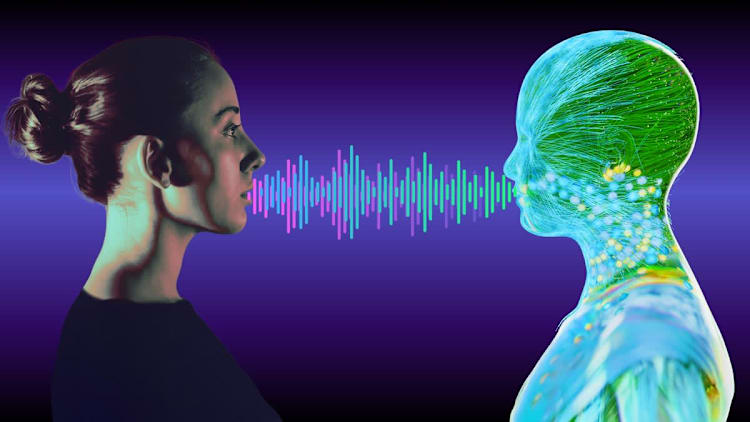
At its core, AI voice cloning uses machine learning to analyze and replicate a person’s vocal patterns, tone, and inflections with astonishing accuracy. While the tech offers incredible potential in entertainment, accessibility, and customer service, it also opens Pandora’s box of moral, legal, and societal challenges. Who controls your voice? Can someone use it without consent? And what happens when your voice is used to say things you never said? These questions lie at the heart of the ethical dilemma of AI voice cloning.
How AI Voice Cloning Works—And Why It’s So Dangerous
AI voice cloning relies on deep neural networks trained on audio samples of a target speaker. With just 30 seconds to a few minutes of clear audio, modern systems like ElevenLabs, Resemble AI, and Descript can generate highly realistic synthetic speech. The process involves:
- Voice Data Collection: Gathering audio clips of the target speaker.
- Feature Extraction: Isolating pitch, tone, rhythm, and pronunciation patterns.
- Model Training: Feeding data into AI models to learn vocal nuances.
- Speech Synthesis: Generating new speech in the cloned voice.
What makes this technology so powerful—and so perilous—is its accessibility. You no longer need a Hollywood studio or a team of engineers. A smartphone and an internet connection are enough to clone a voice. This democratization of voice replication amplifies the ethical dilemma of AI voice cloning, as malicious actors can exploit it with minimal effort.
The Rise of Voice Deepfakes
Voice deepfakes—AI-generated audio mimicking real people—are already being used in fraud, misinformation, and harassment. In 2019, a UK-based energy firm lost $243,000 after scammers used AI-cloned audio to impersonate the CEO and demand an urgent wire transfer. More recently, AI-generated voices have been used to spread political disinformation, mimic celebrities in fake endorsements, and even harass individuals with threatening messages in their own voice.
These incidents highlight a chilling truth: your voice is no longer just your own. It can be copied, manipulated, and weaponized—often without your knowledge or consent.
Privacy, Consent, and the Right to Your Own Voice
One of the most pressing aspects of the ethical dilemma of AI voice cloning is the violation of personal privacy. Unlike a photo or a written quote, your voice is a biometric identifier—unique, intimate, and deeply personal. Yet, many voice cloning tools scrape publicly available audio from YouTube, podcasts, and social media without explicit permission.
This raises a critical question: Do you own your voice? Legally, the answer is murky. In most jurisdictions, voice rights fall under broader categories like personality rights, copyright, or data protection laws—but there’s no universal standard. Some countries, like California, have enacted laws requiring consent for voice replication, while others lag far behind.
The Consent Gap
Consider this scenario: a YouTuber records a video, uploads it, and later discovers their voice used in a commercial for a product they don’t endorse. Did they consent? Probably not. But because the audio was public, the cloning company may claim it’s fair use.
This consent gap is a major flaw in current AI ethics. Just because something is publicly available doesn’t mean it’s free to exploit. The ethical dilemma of AI voice cloning demands a shift toward informed, explicit consent—similar to how we handle medical data or financial information.
Misinformation, Manipulation, and the Erosion of Trust
Perhaps the most dangerous consequence of AI voice cloning is its potential to erode trust in audio communication. We’ve long relied on the human voice as a marker of authenticity—its warmth, hesitation, and emotion signaling truth. But when AI can replicate that perfectly, how do we know what’s real?
This crisis of trust affects nearly every sector:
- Journalism: Fake audio clips of politicians or public figures can spread rapidly, influencing elections or inciting violence.
- Customer Service: AI voice clones could impersonate support agents to extract sensitive information.
- Personal Relationships: Imagine receiving a voicemail from a loved one in distress—only to learn it was a clone used to manipulate you emotionally.
The ethical dilemma of AI voice cloning isn’t just about individual rights—it’s about the integrity of communication itself. If we can’t trust what we hear, society’s foundation begins to crack.
Case Study: The Fake Biden Robocall
In early 2024, voters in New Hampshire received robocalls featuring an AI-generated voice of President Joe Biden urging them not to vote in the primary. The call was convincing enough to cause confusion and concern. While the source was eventually traced and the perpetrators fined, the incident exposed how easily AI voice cloning can be weaponized in democratic processes.
This wasn’t just a prank—it was a targeted attempt to suppress voter turnout using synthetic media. It underscores the urgent need for detection tools, public awareness, and legal accountability.
Legal and Regulatory Challenges
As the ethical dilemma of AI voice cloning intensifies, lawmakers are scrambling to respond. But regulation is fragmented and often reactive. Current laws were written for a pre-AI world and struggle to address the speed and scale of modern voice synthesis.
Key legal challenges include:
- Jurisdictional Conflicts: Voice cloning tools operate globally, but laws vary by country.
- Attribution Difficulties: Proving a voice clone was used maliciously can be technically and legally complex.
- Lack of Specific Legislation: Few countries have laws specifically targeting voice cloning or synthetic audio.
Emerging Regulatory Efforts
Some progress is being made. The European Union’s AI Act includes provisions for high-risk AI systems, potentially classifying voice cloning as such. In the U.S., states like Virginia and Texas have introduced bills requiring disclosure when synthetic voices are used in political ads. The Federal Trade Commission (FTC) has also signaled it may treat voice cloning as a deceptive practice under consumer protection laws.
However, enforcement remains weak. Without international cooperation and clear penalties, bad actors will continue to exploit the legal gray areas.
The Role of Tech Companies and Developers
While governments debate, tech companies hold significant power in shaping the ethical landscape of AI voice cloning. Platforms like OpenAI, Google, and Meta have a responsibility to implement safeguards—but many prioritize innovation over ethics.
Some companies are taking steps:
- Watermarking: Embedding invisible markers in synthetic audio to help detect clones.
- Consent Verification: Requiring proof of permission before cloning a voice.
- Usage Restrictions: Banning certain applications, like political impersonation or adult content.
Yet, these measures are often voluntary and inconsistently applied. The ethical dilemma of AI voice cloning won’t be solved by goodwill alone—it requires enforceable standards and transparency.
The Developer’s Dilemma
AI developers face a tough choice: build powerful tools that could be misused, or limit functionality to reduce harm. Some argue that restricting access stifles innovation. Others believe ethical responsibility must come first.
For example, ElevenLabs offers a “voice consent” feature, allowing users to verify ownership before cloning. But the system relies on self-reporting and can be bypassed. True accountability requires third-party audits and real-time monitoring.
Protecting Yourself in the Age of Voice Cloning
Until regulations catch up, individuals must take proactive steps to protect their voices. Here’s how:
- Limit Public Audio: Be cautious about uploading voice recordings to social media or public platforms.
- Use Voice Authentication Wisely: Avoid using voice login for sensitive accounts unless the service has strong anti-spoofing measures.
- Monitor for Misuse: Regularly search for your name or voice samples online to detect unauthorized cloning.
- Support Legislation: Advocate for laws that require consent and transparency in voice cloning.
Organizations can also protect themselves by:
- Implementing multi-factor authentication beyond voice.
- Training employees to recognize synthetic audio scams.
- Using AI detection tools to screen incoming audio communications.
The Future of Voice: Innovation vs. Ethics
The ethical dilemma of AI voice cloning isn’t about stopping progress—it’s about guiding it responsibly. Used ethically, voice cloning can revolutionize industries. Imagine:
- Accessibility: Restoring speech for people with disabilities using their own voice.
- Entertainment: Reviving deceased actors for films or audiobooks with family consent.
- Education: Personalized learning with AI tutors that speak in a student’s native accent.
These benefits are real and transformative. But they must be balanced against the risks of misuse, deception, and loss of autonomy.
Striking the Right Balance
The path forward requires a multi-stakeholder approach:
- Governments: Enact clear, enforceable laws protecting voice rights.
- Tech Companies: Build ethical safeguards into AI systems by design.
- Researchers: Develop better detection and authentication tools.
- Public: Stay informed and demand accountability.
Only through collaboration can we harness the power of AI voice cloning without sacrificing our humanity.
Key Takeaways
- The ethical dilemma of AI voice cloning centers on consent, privacy, and trust.
- Voice cloning technology is advancing rapidly and becoming increasingly accessible.
- Misuse includes fraud, misinformation, harassment, and erosion of democratic processes.
- Current laws are inadequate and fragmented across jurisdictions.
- Tech companies must prioritize ethical design and transparency.
- Individuals can protect themselves by limiting public audio and supporting regulation.
- Balancing innovation with ethics is essential for a trustworthy digital future.
FAQ: Your Questions About AI Voice Cloning, Answered
Can someone clone my voice from a YouTube video?
Yes, if your voice is clearly audible and publicly available, AI tools can potentially clone it. However, ethical and legal standards should require consent—even if the audio is public. Always be mindful of what you upload online.
Is AI voice cloning illegal?
Not always. It depends on how it’s used and where you live. Using a cloned voice for fraud, defamation, or impersonation without consent is illegal in many places. However, laws are still evolving, and enforcement varies.
How can I tell if a voice is AI-generated?
Look for subtle inconsistencies: unnatural pauses, robotic cadence, or lack of emotional variation. Detection tools like Adobe’s Content Credentials or Microsoft’s Video Authenticator can also help identify synthetic audio.
Final Thoughts: Your Voice, Your Rights
The ethical dilemma of AI voice cloning isn’t just a tech issue—it’s a human one. Your voice is part of your identity, your expression, your truth. As AI grows more powerful, we must ensure it serves humanity, not undermines it.
The future of voice technology should be built on respect, consent, and accountability. We have the tools to innovate. Now, we need the wisdom to use them responsibly.