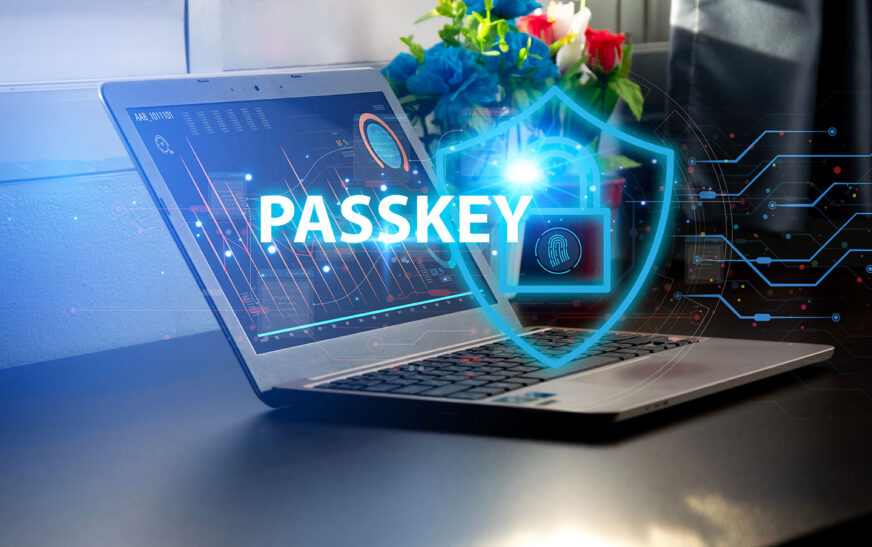
Imagine a world where you never have to remember another password again. No more sticky notes, no more “Forgot Password?” clicks, and no more security breaches from weak or reused credentials. That future might already be here—thanks to passkeys. As digital threats grow more sophisticated, traditional passwords are becoming a liability. The death of the password isn’t just a possibility—it’s already underway. And passkeys are leading the revolution.
Passkeys are a new form of passwordless authentication that uses cryptographic key pairs instead of text-based passwords. They’re faster, more secure, and far more user-friendly. Backed by tech giants like Google, Apple, and Microsoft through the FIDO Alliance, passkeys are rapidly gaining traction across platforms and devices. But are they truly the future of online security? Let’s dive in.
Why Passwords Are on Their Way Out
Passwords have been the backbone of digital identity for decades. But their flaws are now too glaring to ignore. From brute-force attacks to phishing scams, the vulnerabilities are endless. According to Verizon’s 2023 Data Breach Investigations Report, 80% of hacking-related breaches involve stolen or weak passwords.
Even strong passwords can be compromised. Users often reuse passwords across multiple sites, creating a domino effect when one account is breached. Two-factor authentication (2FA) helps, but it’s not foolproof. SMS-based 2FA, for example, is vulnerable to SIM-swapping attacks.
The bottom line? Passwords are outdated, inconvenient, and inherently insecure. The shift toward passwordless authentication isn’t just an upgrade—it’s a necessity.
The Rise of Passwordless Authentication
Passwordless authentication eliminates the need for traditional passwords by using alternative verification methods. These include biometrics (like fingerprints or facial recognition), hardware tokens, and cryptographic keys. Among these, passkeys stand out as the most promising solution.
Unlike one-time codes or hardware keys, passkeys are built into your devices and synced securely across platforms. They work seamlessly with your smartphone, laptop, or tablet—no extra hardware required. This convenience, combined with robust security, makes them a game-changer.
What Exactly Are Passkeys?
Passkeys are a type of FIDO2 authentication that replaces passwords with public-key cryptography. Here’s how it works: when you create a passkey, your device generates a unique pair of cryptographic keys—one public, one private. The public key is stored by the website or app, while the private key remains securely on your device.
When you log in, the service sends a challenge to your device. Your device signs it using the private key, and the service verifies it with the public key. No password is transmitted, and no secret is shared. This process is not only secure but also incredibly fast.
Passkeys are synced across your devices via encrypted cloud storage (like iCloud Keychain or Google Password Manager). This means you can log in from your phone, tablet, or computer without re-registering each time.
How Passkeys Work in Real Life
Let’s say you’re logging into your email on a new laptop. Instead of typing a password, you’re prompted to use your passkey. You tap “Allow” on your phone, confirm with Face ID or a fingerprint, and you’re in. No typing, no remembering, no risk of interception.
This process works across platforms. If you’re on a Windows PC, you can use Windows Hello. On a Mac, Touch ID. On Android, your fingerprint or face unlock. The experience is consistent, intuitive, and secure.
The Security Advantages of Passkeys
Passkeys offer several security benefits that make them superior to traditional passwords:
- Phishing-resistant: Since no secret is transmitted, attackers can’t steal your credentials through fake login pages.
- No password reuse: Each passkey is unique to a service, eliminating the risk of credential stuffing.
- End-to-end encryption: Private keys never leave your device and are protected by hardware security modules (like TPM or Secure Enclave).
- Resistant to brute force: Cryptographic keys are exponentially harder to crack than even the strongest passwords.
Because passkeys rely on public-key cryptography, they’re inherently more secure than symmetric systems like passwords. Even if a server is compromised, attackers can’t reverse-engineer your private key from the public one.
Biometrics: The Final Layer of Protection
Most passkey implementations require biometric verification—like a fingerprint or facial scan—before granting access. This adds a second layer of security without the hassle of entering a code.
Biometrics are difficult to spoof, especially with modern sensors and liveness detection. And since the biometric data never leaves your device, there’s no central database for hackers to target.
User Experience: Simplicity Meets Security
One of the biggest barriers to better security has always been user adoption. People avoid complex systems, even if they’re safer. Passkeys solve this by being both secure and simple.
Imagine logging into your bank, social media, or work account with just a tap and a glance. No more password managers, no more recovery emails, no more frustration. That’s the promise of passkeys.
Early adopters report a smoother, faster login experience. And because passkeys sync across devices, you’re never locked out. Lost your phone? Your passkeys are still on your laptop. Got a new device? They sync automatically.
Cross-Platform Compatibility
Passkeys are designed to work across operating systems and browsers. Whether you’re using Safari on iOS, Chrome on Android, or Edge on Windows, the experience is consistent.
This interoperability is thanks to the FIDO Alliance, a coalition of tech companies committed to open standards. Google, Apple, Microsoft, Amazon, and others have all integrated passkey support into their ecosystems.
Challenges and Limitations
Despite their advantages, passkeys aren’t without challenges. Widespread adoption is still in progress, and not all websites or apps support them yet.
Legacy systems and older platforms may struggle to integrate passkeys. Smaller businesses might lack the resources to update their authentication systems. And while major tech companies are on board, global standardization takes time.
There’s also the issue of user education. Many people still don’t understand what passkeys are or how they work. Without clear communication, adoption could stall.
Recovery and Backup Concerns
What happens if you lose all your devices? Unlike passwords, passkeys can’t be “reset” via email. This makes backup and recovery critical.
Fortunately, most platforms offer secure backup options. Apple’s iCloud Keychain and Google’s Password Manager encrypt and sync your passkeys. Microsoft uses Azure Active Directory for enterprise users. These systems ensure you won’t be permanently locked out.
Still, users need to understand the importance of enabling these backups. Without them, losing access to all devices could mean losing access to your accounts.
The Role of Big Tech in the Passkey Revolution
Tech giants are driving the passkey movement. Apple introduced passkey support in iOS 16 and macOS Ventura. Google rolled out passkeys in Android 14 and Chrome. Microsoft supports them in Windows 11 and Edge.
These companies aren’t just adding features—they’re redefining how we think about digital identity. By baking passkeys into their operating systems, they’re making passwordless authentication the default, not the exception.
Their influence extends beyond consumer devices. Enterprise environments are also adopting passkeys for secure, seamless access to corporate resources. This shift could reduce IT support costs and improve security posture across organizations.
FIDO Alliance: The Backbone of Standardization
The FIDO (Fast Identity Online) Alliance is the driving force behind passkeys. Founded in 2013, it includes over 250 members, including major tech firms, financial institutions, and security companies.
FIDO’s mission is to reduce reliance on passwords through open, scalable standards. Their FIDO2 framework, which includes WebAuthn and CTAP, is the foundation of passkey technology.
By promoting interoperability and security, FIDO ensures that passkeys work across devices, platforms, and services—creating a unified, passwordless future.</p
Real-World Adoption: Who’s Using Passkeys?
Passkeys are no longer a futuristic concept—they’re already here. Major platforms like Google, Microsoft, PayPal, Shopify, and Best Buy now support passkey logins.
Google reported that over 1 billion devices are now passkey-ready. Microsoft allows passkey sign-ins for personal and work accounts. Even dating apps like Tinder and Bumble are experimenting with passkeys to reduce fake profiles.
Consumers are responding positively. A 2023 survey by Yubico found that 72% of users would prefer passkeys over passwords if given the choice. The main reasons? Convenience and security.
Enterprise Use Cases
Businesses are also embracing passkeys. Companies like eBay, Nvidia, and Dropbox use them to secure employee access. Remote workers can log into VPNs, cloud apps, and internal systems without passwords.
This reduces the risk of credential theft and simplifies onboarding. IT teams spend less time resetting passwords and more time securing infrastructure.
The Road Ahead: What’s Next for Passkeys?
The future of passkeys looks bright. As more platforms adopt them, the network effect will accelerate adoption. Users will expect passwordless login as standard—just like HTTPS or two-factor authentication today.
Innovations like passkey sharing (for families or teams) and device-bound passkeys (for high-security apps) are already in development. These features will expand use cases and improve flexibility.
Regulatory support is also growing. Governments and industry bodies are encouraging passwordless authentication to combat cybercrime. The U.S. Cybersecurity and Infrastructure Security Agency (CISA) has endorsed FIDO standards as a best practice.
Will Passwords Disappear Completely?
While passkeys are gaining momentum, passwords won’t vanish overnight. Legacy systems, user habits, and technical limitations will keep them around for years.
But the trend is clear: passwords are becoming obsolete. Within the next decade, we could see a world where passkeys are the primary method of authentication—especially for consumer and enterprise applications.
The death of the password isn’t just coming. It’s already happening.
Key Takeaways
- Passkeys are replacing passwords with a more secure, user-friendly alternative based on public-key cryptography.
- They are phishing-resistant, eliminate password reuse, and work across devices and platforms.
- Major tech companies like Google, Apple, and Microsoft are driving adoption through built-in support.
- While challenges remain—like backup and education—the momentum toward passwordless authentication is unstoppable.
- The future of online security is passwordless, and passkeys are leading the way.
FAQ: Your Questions About Passkeys, Answered
Are passkeys really more secure than passwords?
Yes. Passkeys use cryptographic keys that can’t be guessed or stolen like passwords. They’re also immune to phishing and brute-force attacks, making them significantly more secure.
What happens if I lose my phone or device with my passkeys?
Most platforms back up your passkeys securely in the cloud (like iCloud or Google). As long as you’ve enabled syncing, you can restore access on a new device. Always ensure backups are turned on.
Can I use passkeys on any website or app?
Not yet. While adoption is growing, not all services support passkeys. Check for a “Sign in with a passkey” option during login. Major platforms like Google, Microsoft, and PayPal already do.
Final Thoughts: Embracing the Passwordless Future
The era of forgotten passwords, security breaches, and endless resets is coming to an end. Passkeys represent a smarter, safer, and simpler way to authenticate online. They’re not just a technological upgrade—they’re a fundamental shift in how we protect our digital lives.
As users, we benefit from faster logins and stronger security. As businesses, we reduce risk and support costs. And as a society, we move closer to a world where cyber threats have fewer footholds.
The death of the password isn’t something to fear—it’s something to welcome. And with passkeys leading the charge, the future of authentication has never looked brighter.