Imagine knowing exactly what your customers want—before they even ask for it. That’s not science fiction. It’s what happens when you use AI for market research. Artificial intelligence is transforming how businesses gather, analyze, and act on consumer insights. No more guesswork. No more outdated surveys. Just real-time data, predictive trends, and actionable intelligence at your fingertips.
Whether you’re launching a new product, refining your messaging, or entering a new market, AI-powered tools can give you a serious edge. From sentiment analysis to competitor tracking, AI helps you uncover hidden patterns in vast amounts of data. This guide will show you exactly how to use AI for market research—step by step—so you can make smarter decisions, faster.
Why AI Is a Game-Changer for Market Research
Traditional market research often relies on slow, manual processes: designing surveys, collecting responses, and analyzing results over weeks. AI changes that. It automates data collection, processes unstructured information like social media posts and reviews, and delivers insights in minutes—not months.
AI tools can scan millions of online conversations, news articles, and customer reviews to detect emerging trends. They can predict customer behavior based on past actions. And they can even simulate market reactions to new product launches. This level of speed and accuracy was impossible just a decade ago.
For example, a fashion brand might use AI to analyze Instagram hashtags and TikTok videos to spot rising styles. A SaaS company could monitor Reddit threads to understand user pain points. These insights help businesses stay agile and responsive in fast-moving markets.
Key Benefits of Using AI in Market Research
- Speed: Get insights in real time instead of waiting weeks for survey results.
- Scale: Analyze data from thousands of sources simultaneously.
- Accuracy: Reduce human bias with data-driven analysis.
- Cost-efficiency: Automate repetitive tasks and cut research costs.
- Predictive power: Forecast trends and customer behavior before they peak.
Top Ways to Use AI for Market Research
1. Analyze Customer Sentiment with NLP
Natural Language Processing (NLP) is one of the most powerful AI tools for market research. It allows machines to understand human language—tone, emotion, and intent—from text data.
Imagine scanning thousands of product reviews on Amazon, Google, or Yelp. AI can classify each review as positive, negative, or neutral. It can even detect sarcasm or frustration. This gives you a clear picture of how customers truly feel about your brand or product.
For instance, if your new skincare line gets praised for effectiveness but criticized for packaging, AI can flag that issue instantly. You can then prioritize design improvements before launching a wider campaign.
2. Track Competitor Activity in Real Time
Staying ahead of competitors is crucial. AI tools can monitor your rivals’ websites, social media, pricing changes, and ad campaigns 24/7.
These tools use web scraping and machine learning to detect shifts in strategy. Did a competitor lower their prices? Launch a new feature? Run a viral ad? AI alerts you immediately.
This kind of intelligence helps you respond proactively. You can adjust your pricing, refine your messaging, or even time your product launch to avoid direct competition.
3. Identify Emerging Trends with Social Listening
Social media is a goldmine for market research. People share opinions, complaints, and desires every second. AI-powered social listening tools scan platforms like Twitter, Facebook, TikTok, and LinkedIn to spot trending topics.
For example, if “sustainable packaging” starts appearing frequently in conversations about your industry, AI can flag it as a rising trend. You can then explore eco-friendly options before your competitors do.
These tools can also segment conversations by demographics, location, or interests. This helps you tailor your marketing to specific audience segments.
4. Predict Customer Behavior with Machine Learning
Machine learning models can analyze historical data to predict future customer actions. This includes purchase likelihood, churn risk, or response to marketing campaigns.
For example, an e-commerce brand might use AI to identify which customers are most likely to buy during a holiday sale. They can then send personalized offers to those users, boosting conversion rates.
Predictive analytics can also help with inventory planning. By forecasting demand for specific products, businesses can avoid overstocking or stockouts.
5. Automate Survey Analysis and Feedback Processing
Surveys are still valuable, but analyzing open-ended responses takes time. AI can automatically categorize and summarize feedback from thousands of survey responses.
Instead of reading every comment, you get a dashboard showing key themes: “Customers love the app’s design but want faster loading times.” This saves hours of manual work and ensures no insight is missed.
Some AI tools even suggest follow-up actions based on feedback. For example, if multiple users mention difficulty with checkout, the system might recommend UX improvements.
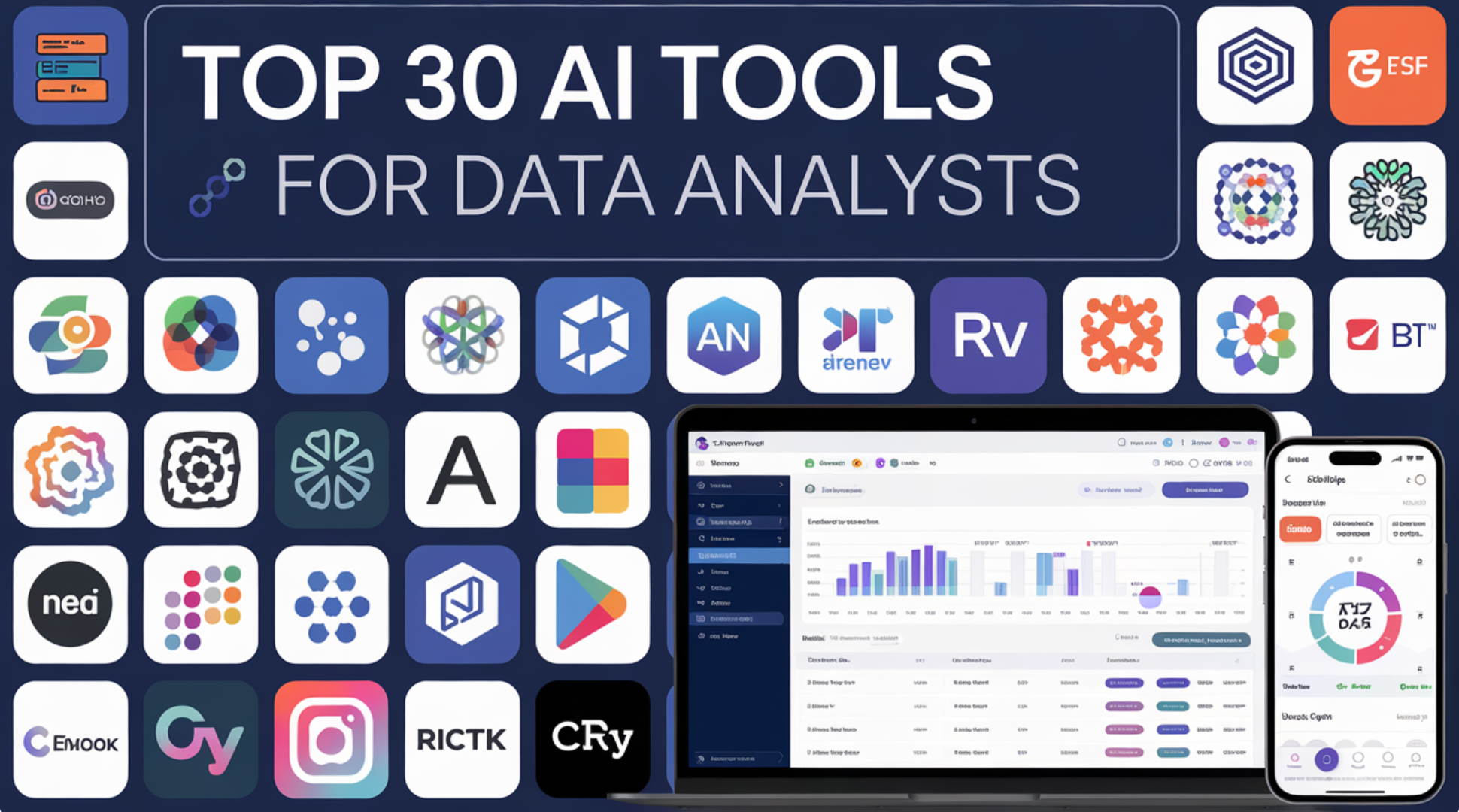
Best AI Tools for Market Research in 2024
Choosing the right AI tool depends on your goals, budget, and data sources. Here are some of the top platforms making waves in market research:
Brandwatch
Brandwatch uses AI to analyze social media, news, and forums. It offers real-time sentiment analysis, trend detection, and competitor benchmarking. Ideal for brands looking to monitor their online reputation.
Talkwalker
Talkwalker combines AI with image and video recognition. It can analyze logos, faces, and objects in visual content across platforms. Great for tracking brand mentions in influencer posts or ads.
Crayon
Crayon focuses on competitive intelligence. It tracks changes on competitor websites, pricing, job postings, and more. Perfect for B2B companies and SaaS startups.
MonkeyLearn
MonkeyLearn specializes in text analysis. It can classify customer support tickets, analyze survey responses, and extract insights from reviews. Highly customizable and developer-friendly.
Google Cloud AI & BigQuery
For tech-savvy teams, Google’s AI tools offer powerful data processing and machine learning capabilities. You can build custom models to analyze customer data, predict trends, and generate reports.
Step-by-Step Guide: How to Use AI for Market Research
Ready to get started? Follow this practical roadmap to integrate AI into your market research process.
Step 1: Define Your Research Goals
Start with a clear question. What do you want to learn? Examples:
- “What are customers saying about our new product?”
- “How do our prices compare to competitors?”
- “What features do users want in our next update?”
Having a focused objective helps you choose the right tools and data sources.
Step 2: Choose the Right AI Tools
Match your goals to the best AI platform. Need sentiment analysis? Go with MonkeyLearn or Brandwatch. Tracking competitors? Try Crayon. For social trends, Talkwalker is a strong choice.
Many tools offer free trials or demos. Test a few before committing.
Step 3: Gather and Prepare Your Data
AI needs data to work. Collect information from:
- Social media platforms
- Customer reviews and surveys
- Website analytics (Google Analytics, Hotjar)
- Competitor websites and ads
- Internal CRM and sales data
Clean and organize your data. Remove duplicates, fix formatting, and ensure privacy compliance (like GDPR).
Step 4: Run AI Analysis
Upload your data to the AI tool and let it process. Most platforms provide dashboards with visual reports, keyword clouds, sentiment scores, and trend graphs.
Look for patterns: recurring complaints, rising keywords, or shifts in customer sentiment.
Step 5: Interpret and Act on Insights
AI gives you data—but you provide the strategy. Ask:
- What does this mean for our product?
- Should we change our messaging?
- Is there a new market opportunity?
Turn insights into action. Launch a campaign, update a feature, or adjust your pricing.
Step 6: Monitor and Iterate
Market research isn’t a one-time task. Use AI to continuously monitor changes. Set up alerts for new trends or competitor moves.
Review your findings monthly. Refine your approach based on what’s working.
Real-World Examples: Companies Using AI for Market Research
Big brands are already leveraging AI to stay ahead. Here’s how they do it.
Netflix
Netflix uses AI to analyze viewing habits, search queries, and user ratings. It predicts which shows will be popular and recommends content accordingly. This data also informs their original programming decisions.
Starbucks
Starbucks uses AI to analyze customer feedback from surveys, social media, and app usage. They identify preferences by location and time of day, helping them tailor menus and promotions.
Unilever
Unilever uses AI to scan global social media for emerging beauty trends. They discovered a rising interest in “clean beauty” and launched a new line of natural products in response.
These examples show that AI isn’t just for tech giants. Small and mid-sized businesses can use similar strategies with the right tools.
Common Challenges and How to Overcome Them
While AI offers huge benefits, it’s not without challenges. Here’s how to handle the most common pitfalls.
Data Quality Issues
AI is only as good as the data it analyzes. Poor-quality or biased data leads to flawed insights.
Solution: Clean your data regularly. Use diverse sources to avoid bias. Validate findings with human review when possible.
Privacy and Compliance
Collecting customer data raises privacy concerns. You must comply with laws like GDPR, CCPA, and others.
Solution: Anonymize personal data. Get consent where required. Use tools that prioritize data security.
Over-Reliance on Automation
AI can’t replace human intuition. Sometimes, context matters more than data.
Solution: Use AI as a support tool, not a replacement. Combine machine insights with expert judgment.
Cost and Complexity
Some AI tools are expensive or require technical skills.
Solution: Start small. Use affordable or freemium tools. Many platforms offer user-friendly interfaces with no coding required.
Key Takeaways
- AI for market research delivers faster, more accurate insights than traditional methods.
- Use AI to analyze sentiment, track competitors, spot trends, predict behavior, and automate feedback.
- Top tools include Brandwatch, Talkwalker, Crayon, MonkeyLearn, and Google Cloud AI.
- Follow a clear process: define goals, choose tools, gather data, analyze, act, and iterate.
- Overcome challenges with clean data, compliance, balanced automation, and smart budgeting.
FAQ
What is AI market research?
AI market research uses artificial intelligence tools to collect, analyze, and interpret data about customers, competitors, and market trends. It automates processes like sentiment analysis, social listening, and predictive modeling to deliver faster, deeper insights.
Can small businesses use AI for market research?
Absolutely. Many AI tools are affordable and user-friendly. Platforms like MonkeyLearn and Google Trends offer free or low-cost options. Small businesses can start with social listening or survey analysis before scaling up.
Is AI market research better than traditional methods?
AI isn’t a replacement—it’s an enhancement. It excels at speed, scale, and pattern detection. But human insight is still vital for context and creativity. The best approach combines AI with traditional research for balanced, reliable results.
Using AI for market research isn’t the future—it’s the present. Companies that adopt these tools today gain a significant advantage in understanding their customers and staying ahead of the competition. Start small, stay focused, and let AI do the heavy lifting. Your next big insight could be just one analysis away.