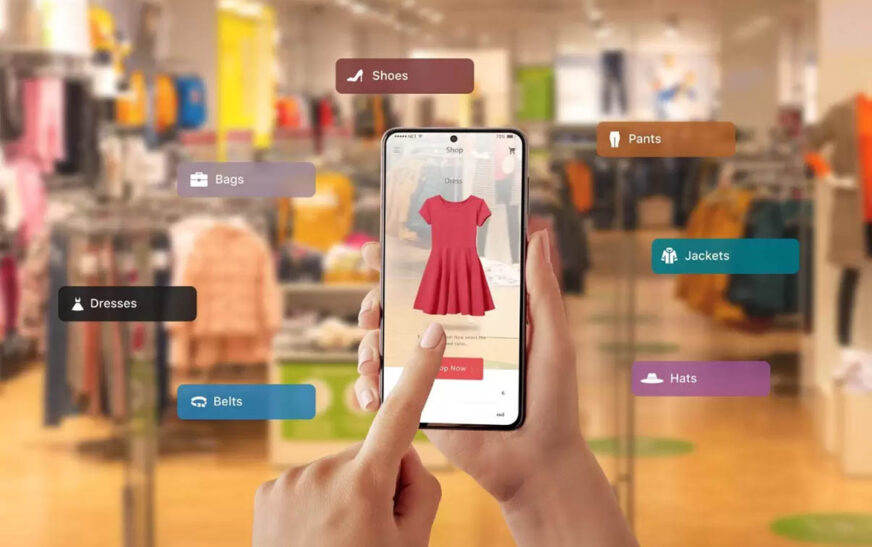
Imagine launching a fully functional, visually stunning online store in under 24 hours—without writing a single line of code or hiring a developer. Sounds like a dream? With today’s AI-powered tools, it’s not only possible but increasingly common. Whether you’re a solopreneur, small business owner, or digital marketer, learning how to use AI to build an online store can dramatically reduce costs, speed up time-to-market, and help you scale faster than ever before.
This guide cuts through the noise and delivers a practical, no-fluff roadmap. You’ll discover exactly which AI tools to use, how to integrate them seamlessly, and how to avoid common pitfalls. From product research to store design, inventory management to customer service—AI is transforming every stage of e-commerce. Let’s dive in.
Why AI Is the Game-Changer for Online Store Builders
Traditional e-commerce setup used to require weeks of planning, coding, design work, and testing. Now, AI automates or accelerates nearly every part of the process. It analyzes market trends, generates product descriptions, designs responsive websites, and even predicts customer behavior.
Consider this: AI can scan thousands of competitor stores in minutes, identify high-demand niches, and suggest optimal pricing strategies. It can also create SEO-friendly content, manage inventory in real time, and personalize the shopping experience for each visitor. The result? A smarter, faster, and more profitable online store.
For entrepreneurs, this means lower barriers to entry. For established brands, it means staying ahead of the curve. AI isn’t replacing human creativity—it’s amplifying it.
Step 1: Use AI to Find Your Profitable Niche
Before you build anything, you need a product idea that sells. AI excels at uncovering hidden opportunities by analyzing search trends, social media chatter, and competitor data.
Top AI Tools for Niche Research
- Jasper AI (formerly Jarvis): Generates keyword-rich content ideas and identifies trending topics in your industry.
- SEMrush + AI Insights: Combines SEO data with AI-driven suggestions to spot low-competition, high-traffic niches.
- Google Trends + AnswerThePublic: Use AI-powered trend analysis to see what people are searching for in real time.
- MarketMuse: Analyzes content gaps and recommends product categories based on user intent.
For example, AI might reveal that “sustainable yoga mats for seniors” is a rising niche with minimal competition. You can then validate demand using AI tools like Helium 10 (for Amazon sellers) or Ubersuggest for general e-commerce.
Pro Tip: Validate Before You Build
Use AI to run quick surveys or analyze Reddit and Facebook groups. Tools like Brand24 monitor online discussions and flag emerging trends. If people are already asking for a product, you’ve found your sweet spot.
Step 2: Choose the Right E-Commerce Platform (AI-Integrated)
Not all platforms are created equal when it comes to AI compatibility. You want a system that supports AI plugins, automations, and smart integrations out of the box.
Best AI-Friendly Platforms in 2024
- Shopify: Offers built-in AI tools like Shopify Magic (for product descriptions) and integrates with AI apps like Oberlo and Klaviyo AI.
- Wix Stores: Features an AI site builder that asks simple questions and generates a complete store in minutes.
- Squarespace: Now includes AI copywriting and image generation tools directly in the editor.
- BigCommerce: Supports AI-powered personalization and dynamic pricing through third-party apps.
For maximum AI synergy, Shopify remains the top choice due to its vast app ecosystem. But if you prefer drag-and-drop simplicity, Wix’s AI Site Generator can build a store from scratch in under 10 minutes.
How AI Builds Your Store Layout
AI doesn’t just suggest designs—it creates them. Platforms like Wix and Shopify use machine learning to analyze your niche and generate layouts optimized for conversions. For instance, if you sell skincare, AI might recommend a clean, minimalist design with trust badges and customer reviews prominently displayed.
You can further customize using AI design assistants like Canva’s Magic Design or Looka for logo creation. These tools use your brand colors and niche to generate professional visuals in seconds.
Step 3: Generate Product Listings with AI
Writing compelling product titles, descriptions, and meta tags is time-consuming. AI turns this chore into a one-click task.
AI Tools for Product Content
- Copy.ai: Creates persuasive product descriptions, bullet points, and SEO titles based on your input.
- Writesonic: Generates Amazon-style listings with A+ content and keyword optimization.
- Rytr: Offers tone-specific writing (e.g., friendly, luxury, urgent) to match your brand voice.
- Jasper AI: Best for long-form content like product guides and comparison pages.
Simply input your product name, key features, and target audience. AI will generate multiple versions optimized for SEO and conversions. For example:
Input: “Organic cotton t-shirt, unisex, eco-friendly, soft fabric”
AI Output: “Soft & Sustainable: Unisex Organic Cotton T-Shirt – Breathable, Hypoallergenic & Planet-Friendly | Perfect for Everyday Wear”
Optimize for Search and Sales
AI doesn’t just write—it analyzes. Tools like Surfer SEO or Frase scan top-ranking pages and suggest keyword density, readability score, and content structure. This ensures your product pages rank higher and convert better.
Pro tip: Use AI to A/B test different versions. Run two product descriptions through your store and let AI analytics (like Google Analytics 4 + AI insights) tell you which one performs better.
Step 4: Automate Inventory and Order Management
Running out of stock or overselling can kill your reputation. AI helps you stay in control with predictive inventory management.
AI-Powered Inventory Tools
- TradeGecko (now QuickBooks Commerce): Uses AI to forecast demand based on seasonality, trends, and sales history.
- Zoho Inventory: Automatically reorders stock when levels drop and syncs across multiple sales channels.
- Skubana: Analyzes order patterns to optimize warehouse operations and reduce shipping costs.
For dropshipping stores, AI tools like Spocket or Modalyst automatically update product availability and pricing from suppliers. This eliminates manual updates and reduces errors.
Dynamic Pricing with AI
AI can adjust prices in real time based on demand, competitor pricing, and customer behavior. Tools like Prisync or Competera monitor the market and suggest optimal price points to maximize profit without losing sales.
Imagine your AI system notices a competitor dropped their price on a similar product. It automatically lowers yours by 5% to stay competitive—then raises it again when demand spikes. That’s the power of AI-driven pricing.
Step 5: Enhance Customer Experience with AI Chatbots and Personalization
Great customer service builds loyalty. AI chatbots provide 24/7 support without hiring a team.
Best AI Chatbots for E-Commerce
- Tidio: Combines live chat with AI bots that answer FAQs, recommend products, and recover abandoned carts.
- ManyChat: Integrates with Facebook Messenger and Instagram to automate customer interactions.
- Drift: Uses conversational AI to qualify leads and guide shoppers toward purchase.
- Zendesk AI: Analyzes customer messages and suggests responses based on past interactions.
These bots can handle common questions like “What’s your return policy?” or “Do you ship to Canada?” while escalating complex issues to human agents.
Personalized Shopping with AI
AI studies browsing behavior, purchase history, and even weather data to personalize the shopping experience. For example:
- Show raincoats to users in rainy cities.
- Recommend complementary products (“Customers who bought this also bought…”).
- Send personalized discount codes based on cart abandonment.
Tools like Nosto or Barilliance use machine learning to deliver dynamic product recommendations on your site. This can increase average order value by up to 30%.
Step 6: Market Your Store with AI-Driven Strategies
Building the store is just step one. Now you need traffic. AI supercharges your marketing efforts across channels.
AI for Social Media & Ads
- AdCreative.ai: Generates high-converting ad creatives and copy for Facebook, Instagram, and Google.
- Canva Magic Media: Creates video ads and social posts using AI-generated visuals.
- Hootsuite Insights: Analyzes engagement data and suggests optimal posting times and content types.
AI can also run A/B tests on ad campaigns, automatically pausing underperforming ads and scaling winners. This saves hundreds of dollars in wasted ad spend.
Email Marketing Automation
Tools like Klaviyo and Omnisend use AI to segment audiences, predict open rates, and send hyper-personalized emails. For example, AI might send a discount to users who viewed a product but didn’t buy—within 24 hours.
AI can even write entire email sequences. Input your goal (e.g., “win back inactive customers”), and it generates subject lines, body copy, and CTAs optimized for engagement.
Step 7: Analyze Performance and Optimize with AI
Data is useless without insight. AI turns raw analytics into actionable strategies.
AI Analytics Tools
- Google Analytics 4 (GA4): Now includes AI-powered insights like “Why did traffic drop?” or “Which pages convert best?”
- Mixpanel: Uses predictive analytics to forecast customer lifetime value and churn risk.
- Looker (by Google): Creates custom dashboards that highlight trends and anomalies.
For example, AI might detect that mobile users abandon carts at checkout. It could then suggest simplifying the form or adding Apple Pay. These micro-optimizations compound into big revenue gains.
Continuous Improvement
The best part? AI learns over time. The more data it processes, the smarter your store becomes. It refines product recommendations, adjusts pricing, and improves UX—all without manual intervention.
Key Takeaways: How to Use AI to Build an Online Store
- Start with AI-powered niche research to find profitable, low-competition markets.
- Choose an AI-friendly platform like Shopify or Wix for faster setup and smarter integrations.
- Generate product content instantly using AI writers like Jasper or Copy.ai.
- Automate inventory and pricing to reduce errors and maximize profit.
- Deploy AI chatbots for 24/7 customer support and personalized recommendations.
- Use AI for marketing across ads, email, and social media to drive targeted traffic.
- Analyze performance with AI insights and continuously optimize your store.
FAQ: Common Questions About Using AI to Build an Online Store
Can I really build an online store using only AI?
Yes—but with a caveat. AI handles design, content, and automation, but human oversight is still essential. You need to define your brand, set goals, and make strategic decisions. Think of AI as your co-pilot, not the pilot.
Is AI expensive for small businesses?
Not anymore. Many AI tools offer free tiers or low-cost plans. For example, Wix’s AI site builder is free with a paid plan. Jasper starts at $29/month. The ROI—faster launches, higher conversions—far outweighs the cost.
Will AI replace e-commerce developers?
Not entirely. AI excels at repetitive tasks, but complex customizations, security, and scalability still require human expertise. However, developers who use AI will outperform those who don’t.
Final Thoughts: The Future Is AI-Powered E-Commerce
The question isn’t whether to use AI—it’s how quickly you can adapt. Stores built with AI are launching faster, converting better, and scaling smarter. Whether you’re selling handmade jewelry or digital courses, AI gives you the tools to compete with giants.
Start small. Pick one AI tool—like an AI copywriter or chatbot—and integrate it into your workflow. As you see results, expand. Before you know it, you’ll have a fully optimized, AI-driven online store that works while you sleep.
The future of e-commerce isn’t just automated. It’s intelligent. And it’s here—today.