Are you constantly second-guessing your grammar, punctuation, or tone in emails, reports, or social media posts? If you’ve ever asked yourself, “Is Grammarly Premium worth it?”, you’re not alone. With millions of users relying on Grammarly for writing assistance, the real question isn’t whether it works—it’s whether the Premium version delivers enough value to justify its cost. In this detailed analysis, we’ll cut through the hype and examine every feature, benefit, and limitation of Grammarly Premium to help you decide if it’s the right investment for your writing needs.
What Is Grammarly Premium?
Grammarly Premium is the paid upgrade of the popular writing assistant tool Grammarly. While the free version offers basic grammar and spelling checks, Premium unlocks advanced features like tone detection, clarity enhancements, plagiarism detection, and genre-specific writing style suggestions. It’s designed for professionals, students, content creators, and anyone who wants to elevate their written communication.
Unlike basic spell-checkers built into word processors, Grammarly Premium analyzes context, sentence structure, and even your intended audience. It doesn’t just fix errors—it helps you write more effectively. But does that mean it’s worth the monthly or annual fee? Let’s dive deeper.
Key Features of Grammarly Premium
To determine if Grammarly Premium is worth it, you need to understand what you’re actually paying for. Here’s a breakdown of its most valuable features:
- Advanced Grammar and Punctuation Checks: Catches complex errors like subject-verb disagreement, misplaced modifiers, and comma splices that free tools often miss.
- Clarity and Conciseness Suggestions: Rewrites wordy or confusing sentences to improve readability.
- Tone Adjustments: Detects the emotional tone of your writing (e.g., formal, friendly, confident) and suggests adjustments to match your intent.
- Plagiarism Detection: Scans your text against billions of web pages to ensure originality—especially useful for students and academics.
- Genre-Specific Writing Styles: Offers tailored suggestions for emails, academic papers, business reports, creative writing, and more.
- Vocabulary Enhancements: Recommends stronger synonyms and varied word choices to elevate your prose.
- Fluency and Engagement Tools: Helps make your writing more natural and engaging by flagging awkward phrasing or repetitive language.
These features go far beyond simple proofreading. They’re designed to help you write with confidence, precision, and professionalism—whether you’re drafting a client proposal or a college essay.
Who Benefits Most from Grammarly Premium?
Not everyone needs Grammarly Premium. But for certain groups, it can be a game-changer.
Professionals and Business Writers
If your job involves writing emails, reports, presentations, or marketing copy, Grammarly Premium can save you time and enhance your credibility. The tone detector ensures your message comes across as intended—whether you want to sound authoritative, approachable, or persuasive.
Imagine sending a proposal to a potential client. With Premium, you can instantly check if your tone is too casual or too stiff. You can also eliminate jargon and streamline complex ideas for better clarity.
Students and Academics
For students, Grammarly Premium is particularly valuable. The plagiarism checker helps avoid accidental academic dishonesty, while the citation suggestions (in APA, MLA, and Chicago styles) streamline research writing.
Additionally, the clarity and conciseness tools help students express their ideas more effectively—especially important in timed exams or scholarship applications.
Content Creators and Bloggers
Writers who publish online—whether on blogs, social media, or freelance platforms—benefit from Grammarly’s engagement and fluency features. It helps maintain a consistent voice and keeps readers hooked.
For example, if you’re writing a blog post about travel tips, Grammarly can suggest more vivid language or smoother transitions between paragraphs, making your content more shareable.
Non-Native English Speakers
Grammarly Premium is a powerful ally for ESL (English as a Second Language) learners. It doesn’t just correct grammar—it explains why a sentence is wrong and offers alternatives. This educational aspect helps users improve their English over time.
Grammarly Premium vs. Free Version: What’s the Difference?
The free version of Grammarly is excellent for catching basic spelling and grammar mistakes. But if you’re serious about improving your writing, the gap between free and Premium is significant.
Here’s a quick comparison:
- Grammar & Spelling: Both versions cover this, but Premium catches more nuanced errors.
- Punctuation: Premium identifies advanced punctuation issues like em dashes, semicolons, and Oxford commas.
- Style & Tone: Only available in Premium.
- Plagiarism Checker: Exclusive to Premium.
- Vocabulary Suggestions: Premium offers richer, context-aware word choices.
- Readability Scores: Premium provides detailed insights into how easy your text is to read.
In short, the free version is like having a basic spell-checker. Premium is like having a personal editor, style coach, and plagiarism detective all in one.
Pricing: Is Grammarly Premium Affordable?
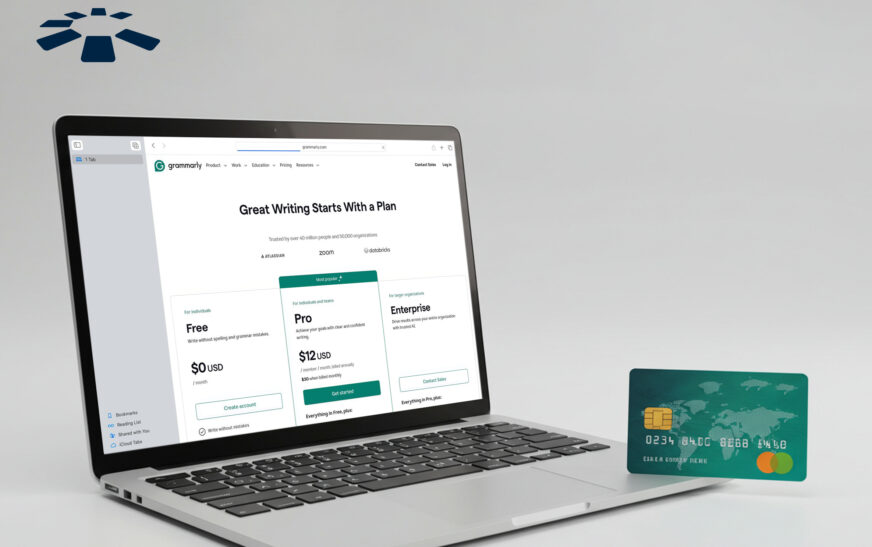
Grammarly Premium isn’t free—but is it reasonably priced? As of 2024, the plans are:
- Monthly: $30/month
- Quarterly: $20/month (billed as $60 every 3 months)
- Annual: $12/month (billed as $144 per year)
The annual plan offers the best value, cutting the cost by more than half compared to monthly billing. For students, Grammarly also offers discounts through partnerships with universities.
Compared to hiring a human editor or proofreader—who can charge $50–$100 per hour—Grammarly Premium is a cost-effective solution for ongoing writing support.
Real-World Performance: Does It Actually Improve Writing?
The best way to assess value is through real-world use. We tested Grammarly Premium across different writing scenarios:
Business Email
We drafted a follow-up email to a client. The free version caught a missing comma. Premium flagged a passive voice construction (“Mistakes were made”) and suggested a more direct alternative (“I made a mistake”). It also adjusted the tone from slightly apologetic to confidently accountable.
Academic Essay
In a 1,500-word essay, Premium identified three instances of unintentional plagiarism by flagging uncited paraphrased content. It also suggested stronger transitions between paragraphs and replaced weak verbs (“get” → “obtain”) with more precise alternatives.
Blog Post
For a lifestyle blog, Premium highlighted repetitive sentence starters and suggested varied phrasing. It also recommended breaking up long paragraphs for better mobile readability—something many writers overlook.
Across the board, Premium didn’t just fix errors—it improved the overall quality, flow, and impact of the writing.
Limitations and Drawbacks
No tool is perfect, and Grammarly Premium has its limitations.
- Not a Substitute for Human Judgment: Grammarly can’t understand nuanced context or cultural subtleties. It may suggest changes that sound robotic or inappropriate in creative writing.
- Over-Reliance Risk: Users may start depending on it too heavily, potentially hindering their own writing development.
- Subscription Model: Unlike one-time purchase software, you’re locked into recurring payments. If you stop paying, you lose access to all Premium features.
- Occasional False Positives: Sometimes, Grammarly flags correct sentences as errors, especially in technical or creative writing.
- Limited Offline Use: While the desktop app offers some offline functionality, full features require an internet connection.
These drawbacks don’t negate the value of Premium, but they’re important to consider before subscribing.
Alternatives to Grammarly Premium
If you’re unsure about committing to Grammarly, here are some alternatives:
- ProWritingAid: Offers similar features with more in-depth writing reports. Often cheaper, but with a steeper learning curve.
- Hemingway Editor: Focuses on readability and simplicity. Great for bloggers and copywriters, but lacks grammar and tone tools.
- Microsoft Editor: Built into Word and Outlook. Free with Microsoft 365, but less advanced than Grammarly Premium.
- Ginger Software: Strong for ESL users, with translation and sentence rephrasing tools. Less polished interface.
While these tools have strengths, none match Grammarly’s combination of ease of use, feature depth, and seamless integration across platforms (browser, desktop, mobile, Microsoft Office).
Key Takeaways: Should You Buy Grammarly Premium?
After thorough testing and analysis, here’s the bottom line:
- Grammarly Premium is worth it if: You write frequently for work, school, or content creation. You want to improve clarity, tone, and professionalism. You need plagiarism detection or genre-specific writing help.
- It may not be worth it if: You only write occasionally or need basic spell-checking. You’re on a tight budget and can’t justify recurring costs. You prefer human editing or already use a strong alternative.
For most professionals, students, and serious writers, the time saved, errors prevented, and quality improvements make Grammarly Premium a smart investment.
FAQ: Common Questions About Grammarly Premium
Is Grammarly Premium worth it for students?
Yes, especially for college and graduate students. The plagiarism checker, citation support, and clarity tools help produce higher-quality academic work. Many universities even offer discounted or free access.
Can Grammarly Premium replace a human editor?
Not entirely. While it’s excellent for grammar, style, and tone, it lacks the nuanced understanding of a human editor—especially for creative or highly technical writing. Think of it as a powerful assistant, not a replacement.
Does Grammarly Premium work offline?
Partially. The desktop app allows limited offline use, but features like plagiarism detection, tone adjustments, and real-time suggestions require an internet connection.
Final Verdict: Is Grammarly Premium Worth It?
After weighing the features, performance, pricing, and alternatives, the answer is clear: Yes, Grammarly Premium is worth it—for the right user. If writing is a core part of your personal or professional life, the investment pays off in improved clarity, confidence, and credibility.
It’s not magic, but it’s the closest thing to having a skilled editor in your pocket. Whether you’re crafting a job application, a research paper, or a viral blog post, Grammarly Premium helps you say what you mean—clearly, correctly, and compellingly.
So, is Grammarly Premium worth it? If you’re serious about your writing, the answer is a resounding yes.