Imagine waking up to an inbox already sorted, your calendar optimized, and your weekly reports drafted—before you’ve even had your first coffee. This isn’t science fiction. It’s the reality AI agents are bringing to the workplace today. The future of work is no longer a distant concept; it’s unfolding now, driven by intelligent automation, machine learning, and increasingly capable AI agents that are redefining what it means to “do a job.” Whether you’re in marketing, finance, healthcare, or software development, AI agents will change your job—probably sooner than you think.
These digital assistants aren’t just chatbots or simple automation tools. They’re proactive, context-aware systems that can analyze data, make decisions, collaborate with humans, and even learn from feedback. From drafting emails to managing supply chains, AI agents are stepping into roles once reserved for human workers. But this shift isn’t about replacing people—it’s about reshaping how we work, what we focus on, and how we grow.
In this article, we’ll explore exactly how AI agents will transform your job, the industries leading the charge, the skills you’ll need to stay relevant, and what this means for your career trajectory. Whether you’re excited, anxious, or just curious, understanding this shift is no longer optional—it’s essential.
What Are AI Agents—And Why Should You Care?
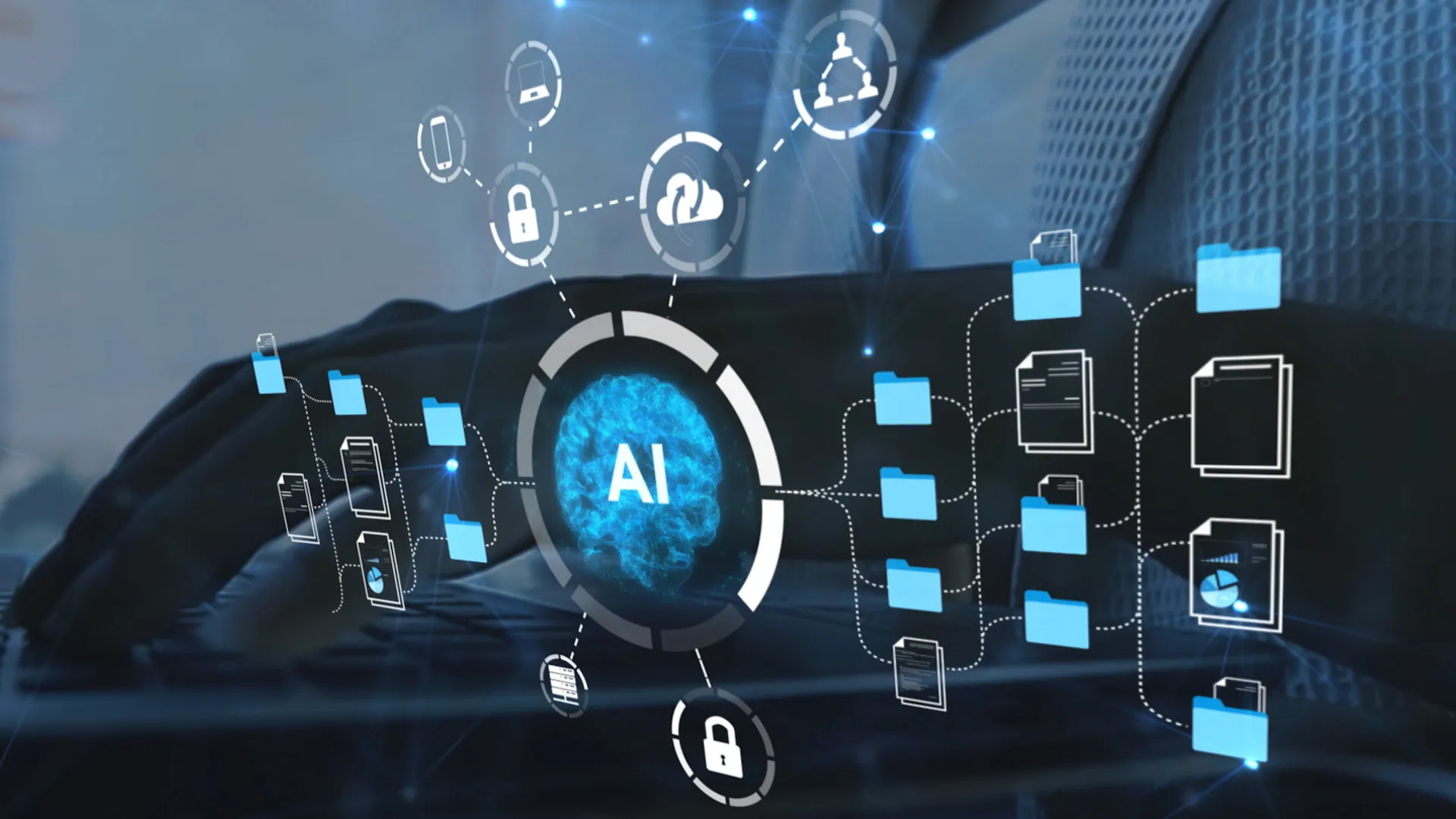
AI agents are software systems designed to perceive their environment, make decisions, and take actions to achieve specific goals—often with minimal human intervention. Unlike traditional automation, which follows rigid rules, AI agents use machine learning, natural language processing, and predictive analytics to adapt and improve over time.
Think of them as digital coworkers: they can monitor trends, flag anomalies, schedule meetings, write code, or even negotiate contracts. For example, an AI agent in customer service might analyze thousands of support tickets, identify common issues, and suggest solutions—freeing human agents to handle complex emotional or technical cases.
The reason you should care? These agents aren’t just tools—they’re becoming integral parts of workflows across industries. According to a 2024 McKinsey report, over 60% of businesses have already deployed AI agents in some capacity, and that number is expected to rise to 85% by 2027. This isn’t a trend; it’s a transformation.
How AI Agents Differ from Traditional Automation
Traditional automation follows pre-programmed rules. If X happens, do Y. AI agents go further—they learn, reason, and act. They can:
- Interpret unstructured data (like emails or voice recordings)
- Make decisions based on context and past experiences
- Collaborate with other agents or humans in real time
- Improve performance through continuous learning
This intelligence allows AI agents to handle complex, dynamic tasks—something older automation systems simply couldn’t do.
Industries Leading the AI Agent Revolution
While AI agents are making waves across the board, some sectors are adopting them faster than others. Let’s look at the industries where AI agents are already changing the game.
1. Customer Service and Support
AI agents are transforming customer service by handling routine inquiries 24/7. Companies like Zendesk and Intercom now use AI agents that can resolve up to 70% of common customer issues without human help. These agents understand tone, detect frustration, and escalate only when necessary.
But it’s not just about speed. AI agents can personalize responses based on customer history, predict needs, and even offer proactive support—like reminding a user about a subscription renewal before it lapses.
2. Healthcare
In healthcare, AI agents are assisting with diagnostics, patient monitoring, and administrative tasks. For instance, AI agents can analyze medical images, flag potential anomalies, and suggest treatment options based on the latest research.
They’re also reducing burnout among medical staff by automating documentation, scheduling, and insurance claims. A study by the American Medical Association found that AI agents cut administrative workload by 30% in pilot hospitals, allowing doctors to spend more time with patients.
3. Finance and Accounting
AI agents are revolutionizing finance by automating fraud detection, risk assessment, and financial reporting. They can scan millions of transactions in seconds, identify suspicious patterns, and alert compliance teams in real time.
They’re also helping with forecasting. By analyzing market trends, economic indicators, and internal data, AI agents can generate accurate financial projections—helping businesses make smarter investment decisions.
4. Software Development
Even coders aren’t immune. AI agents like GitHub Copilot and Amazon CodeWhisperer are now writing code, debugging, and suggesting optimizations. They can generate entire functions from a simple comment or help refactor legacy systems.
This doesn’t mean developers will be replaced. Instead, AI agents are becoming powerful collaborators—handling repetitive tasks so developers can focus on architecture, innovation, and problem-solving.
How AI Agents Will Change Your Daily Work
So, what does this mean for your day-to-day job? The impact will vary by role, but here are five ways AI agents will reshape your work experience.
1. More Time for High-Value Tasks
AI agents will take over repetitive, time-consuming tasks—like data entry, report generation, and scheduling. This frees you to focus on creative, strategic, or interpersonal work that machines can’t replicate.
For example, a marketing manager might spend less time compiling analytics and more time brainstorming campaigns. A teacher might spend less time grading quizzes and more time mentoring students.
2. Smarter Decision-Making
AI agents can analyze vast datasets and provide insights in seconds. Whether it’s identifying customer trends, predicting equipment failures, or optimizing supply chains, they give you the information you need to make better decisions—faster.
Imagine a sales rep who gets real-time suggestions on which leads to prioritize based on AI analysis of past conversions. That’s not futuristic—it’s happening now.
3. Enhanced Collaboration
AI agents aren’t just tools—they’re team members. They can attend meetings, take notes, summarize action items, and even suggest next steps. Some are already integrated into platforms like Microsoft Teams and Slack.
This means fewer miscommunications, faster follow-ups, and more efficient teamwork—even in remote or hybrid environments.
4. Continuous Learning and Upskilling
AI agents can act as personal coaches. They can recommend training modules, track your progress, and suggest skills to develop based on industry trends and your career goals.
For instance, if you’re in HR, an AI agent might notice a growing demand for AI literacy and recommend a course on machine learning basics—helping you stay ahead of the curve.
5. New Job Roles and Responsibilities
As AI agents become more common, new roles are emerging: AI trainer, agent supervisor, ethics auditor, and more. These positions focus on managing, guiding, and ensuring the responsible use of AI in the workplace.
You might not need to become a data scientist, but understanding how to work with AI agents will be as essential as knowing how to use a computer today.
The Skills You’ll Need in an AI-Driven Workplace
With AI agents taking over routine tasks, the skills that matter most are shifting. Technical know-how is still important, but soft skills and adaptability are becoming critical.
Top Skills for the Future of Work
- Critical Thinking: AI can analyze data, but humans must interpret it, question assumptions, and make ethical judgments.
- Emotional Intelligence: Machines can’t empathize. Skills like active listening, conflict resolution, and team building will remain uniquely human.
- Adaptability: The pace of change is accelerating. Being open to learning new tools and workflows is essential.
- AI Literacy: You don’t need to code AI, but you should understand how it works, its limitations, and how to use it effectively.
- Creativity: AI can generate ideas, but human creativity drives innovation, storytelling, and design.
Employers are already prioritizing these skills. A LinkedIn report found that “adaptability” and “emotional intelligence” were among the top five most in-demand soft skills in 2024.
Will AI Agents Replace Your Job?
This is the million-dollar question. The short answer? Not entirely—but they will change it.
AI agents are excellent at tasks that are repetitive, data-heavy, or rule-based. They’re not great at nuanced judgment, creativity, or building trust. That means jobs requiring empathy, leadership, or innovation are safer.
However, roles that rely heavily on routine tasks—like data entry, basic accounting, or customer support—are at higher risk of automation. But even in these fields, AI agents are more likely to augment than replace human workers.
Think of it this way: when ATMs were introduced, people feared bank tellers would disappear. Instead, tellers shifted to advisory roles, and the industry evolved. The same is happening with AI agents.
Jobs Most Likely to Be Transformed
- Administrative assistants
- Customer service representatives
- Bookkeepers and accountants
- Paralegals
- Manufacturing quality inspectors
Jobs Least Likely to Be Replaced (But Still Enhanced)
- Therapists and counselors
- Teachers and trainers
- Creative directors and designers
- Doctors and surgeons
- Entrepreneurs and strategists
The key is to focus on what makes you uniquely human—and let AI agents handle the rest.
Preparing for the AI-Powered Workplace
So, how do you prepare? Start now. The future of work isn’t coming—it’s already here.
1. Embrace AI Tools
Don’t fear AI—use it. Experiment with AI agents in your current role. Try tools like Notion AI for note-taking, Grammarly for writing, or Otter.ai for meeting transcription. The more comfortable you are, the faster you’ll adapt.
2. Invest in Lifelong Learning
Take online courses in AI, data literacy, or digital collaboration. Platforms like Coursera, Udemy, and LinkedIn Learning offer affordable, high-quality training. Even a few hours a week can make a big difference.
3. Develop Your Soft Skills
Focus on communication, leadership, and emotional intelligence. These are harder to automate and increasingly valued by employers.
4. Stay Informed
Follow industry trends, read reports from firms like Gartner or McKinsey, and join professional communities. Knowledge is power—especially in a fast-changing landscape.
5. Advocate for Ethical AI
As AI agents become more powerful, so do the risks—bias, privacy violations, job displacement. Be a voice for responsible AI use in your organization. Ask questions like: Who trained this model? Is the data fair? How are decisions explained?
Key Takeaways
- AI agents are intelligent, adaptive systems that can perform complex tasks with minimal human input.
- They’re already transforming industries like healthcare, finance, customer service, and software development.
- AI agents will change your job by automating routine tasks, enhancing decision-making, and enabling new forms of collaboration.
- While some roles may be reduced, new opportunities are emerging in AI supervision, ethics, and creative problem-solving.
- To thrive, focus on developing soft skills, AI literacy, and adaptability.
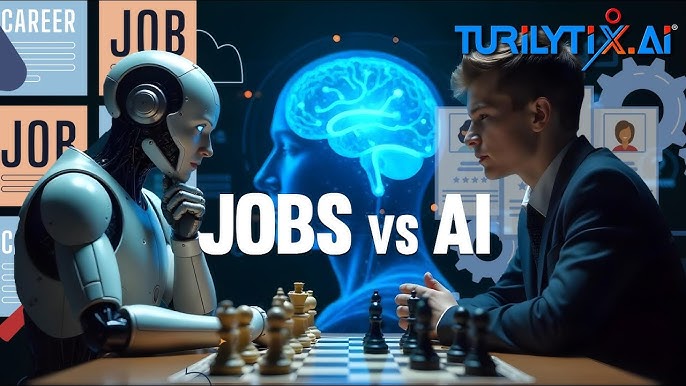
- The future of work isn’t about humans vs. machines—it’s about humans and machines working together.
FAQ: Your Questions About AI Agents and the Future of Work
Will AI agents take my job?
Not entirely—but they will change it. AI agents are best at repetitive, data-driven tasks. Jobs requiring creativity, empathy, and strategic thinking are safer. The key is to adapt and focus on skills that machines can’t replicate.
How can I start working with AI agents today?
Begin by exploring AI tools in your field. Use AI for writing, scheduling, data analysis, or customer support. Take online courses to build your AI literacy and stay curious. The sooner you engage, the better prepared you’ll be.
Are AI agents safe and fair?
AI agents can be powerful, but they’re not perfect. They can inherit biases from training data or make errors in judgment. That’s why human oversight, transparency, and ethical guidelines are essential. Always ask how decisions are made and who’s accountable.
The future of work is being rewritten—one AI agent at a time. But instead of fearing the change, see it as an opportunity. By embracing AI, developing new skills, and focusing on what makes us human, we can shape a future where technology empowers us, not replaces us. Your job may change, but your value never will.