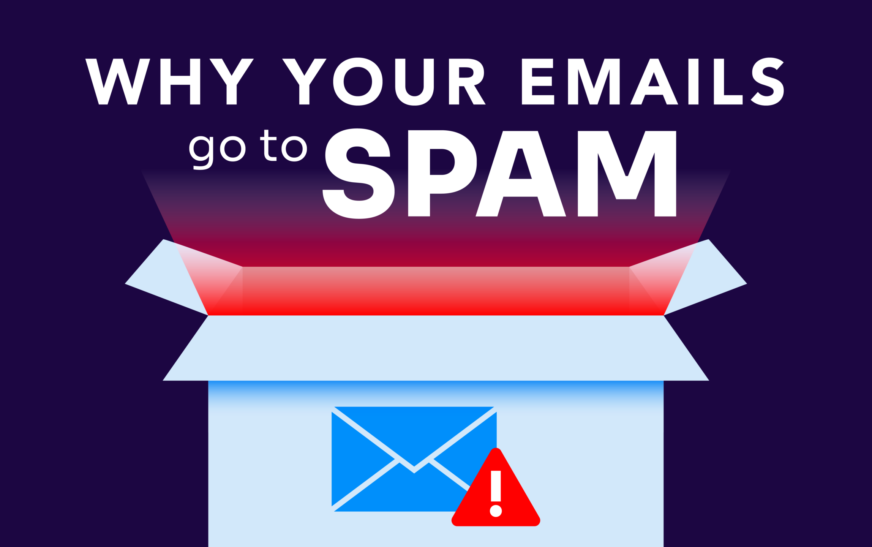
You’ve set up your automated email sequences, hit “send,” and waited for the clicks, sign-ups, or sales to roll in. But instead of landing in your audience’s inbox, your emails are vanishing into the digital void—straight into the spam folder. If your automated emails are going to spam, you’re not alone. And more importantly, it’s fixable.
This isn’t just about missed opportunities. It’s about trust, deliverability, and the long-term health of your email marketing strategy. Whether you’re using Mailchimp, Klaviyo, ActiveCampaign, or HubSpot, spam filters don’t care about your platform—they care about signals. And if your emails trigger the wrong ones, they’ll never see the light of day.
In this guide, we’ll break down exactly why your automated emails are being flagged as spam and give you actionable, no-fluff fixes to get them back into inboxes where they belong.
How Spam Filters Actually Work
Before you can fix the problem, you need to understand how spam filters operate. These aren’t random gatekeepers—they’re sophisticated algorithms trained to detect patterns associated with spam, phishing, or low-quality content.
Modern email providers like Gmail, Outlook, and Yahoo use a combination of machine learning, sender reputation scoring, and content analysis to decide where your email lands. Think of it like a bouncer at an exclusive club: if you don’t meet the dress code, you’re not getting in.
Key factors include:
- Sender reputation – How trustworthy is your domain and IP address?
- Engagement signals – Are recipients opening, clicking, or deleting your emails?
- Content red flags – Does your email look like spam?
- Authentication protocols – Is your email properly verified?
If any of these areas are weak, your automated emails are at risk of being filtered out—even if your content is valuable.
Top Reasons Your Automated Emails Are Going to Spam
1. Poor Sender Reputation
Your sender reputation is like your digital credit score. If it’s low, email providers will treat your messages with suspicion. This reputation is built over time and influenced by bounce rates, spam complaints, and engagement levels.
Automated emails often suffer because they’re sent in bulk, sometimes to unengaged lists. If recipients mark your emails as spam or don’t interact with them, your reputation tanks—fast.
Even if you’re using a reputable email service provider (ESP), your domain and IP reputation matter. Shared IPs can be risky if other users on the same server send spammy content.
2. Missing or Incorrect Email Authentication
Email authentication is non-negotiable. Without it, your emails look suspicious—even if they’re legitimate.
Three key protocols must be in place:
- SPF (Sender Policy Framework) – Verifies that your domain authorizes the server sending the email.
- DKIM (DomainKeys Identified Mail) – Adds a digital signature to prove the email wasn’t tampered with.
- DMARC (Domain-based Message Authentication) – Tells receivers what to do if SPF or DKIM fails (e.g., quarantine or reject).
Many marketers skip DMARC setup, thinking SPF and DKIM are enough. But without DMARC, you’re leaving the door open for spoofing and phishing—both of which hurt your deliverability.
3. Spammy Content and Trigger Words
Spam filters scan your email content for patterns commonly used in spam. Even well-intentioned automated emails can trip these alarms.
Common red flags include:
- Excessive use of capital letters (“FREE!!!” or “URGENT!!!”)
- Misleading subject lines (“You’ve won!” when there’s no prize)
- Overuse of spam trigger words like “guarantee,” “no risk,” “act now,” or “click here”
- Too many images with little or no text
- Broken links or suspicious URLs
Automated welcome emails, abandoned cart sequences, and promotional blasts are especially vulnerable. A subject line like “Last chance! 90% OFF!!!” might seem urgent, but it screams “spam” to filters.
4. Low Engagement Rates
Engagement is the heartbeat of email deliverability. If your automated emails aren’t being opened or clicked, ISPs assume they’re unwanted.
This creates a vicious cycle: low engagement → lower inbox placement → even lower engagement.
Automated emails often suffer because they’re sent to cold or inactive subscribers. For example, a welcome email sent to a new lead might perform well, but a re-engagement sequence sent to users who haven’t opened in 6 months will likely be ignored.
Also, if your emails are too frequent or irrelevant, subscribers will disengage—or worse, report you as spam.
5. Sending to Unverified or Stale Lists
Buying email lists or failing to clean your database is a one-way ticket to spam city.
Even if you’re not buying lists, your own list can become polluted over time. People change jobs, abandon email addresses, or simply lose interest.
Sending automated emails to invalid or inactive addresses increases bounce rates and spam complaints—both of which damage your sender reputation.
Double opt-in is your best defense. It ensures that every subscriber actively confirms their interest, reducing fake sign-ups and improving list quality.
6. Poor Technical Setup
Even small technical missteps can sink your deliverability.
For example:
- Using a “no-reply” sender address (e.g., noreply@yoursite.com) – This signals low engagement potential.
- Not setting up a custom domain for sending (using default ESP domains like @mailchimp.com)
- Missing reverse DNS (rDNS) records for dedicated IPs
- Failing to warm up new IPs or domains before sending large volumes
Automated emails sent from poorly configured systems are more likely to be flagged—even if the content is perfect.
How to Fix Automated Emails Going to Spam
1. Authenticate Your Domain (SPF, DKIM, DMARC)
Start with the basics. Set up SPF, DKIM, and DMARC for your sending domain. Most ESPs provide step-by-step guides, but here’s a quick checklist:
- Log in to your domain registrar (e.g., GoDaddy, Namecheap).
- Add SPF and DKIM records as TXT entries in your DNS settings.
- Create a DMARC record with a policy like “p=none” to monitor first, then “p=quarantine” or “p=reject” once confident.
- Use free tools like MXToolbox or Google Admin Toolbox to verify your setup.
Without authentication, your emails are walking into the spam filter unarmed.
2. Clean and Segment Your Email List
Not all subscribers are created equal. Segment your list based on behavior, engagement, and preferences.
For automated emails:
- Send welcome sequences only to new, confirmed subscribers.
- Use re-engagement campaigns for inactive users before sending regular promotions.
- Remove hard bounces and unengaged users (no opens in 6+ months).
- Implement double opt-in to ensure list quality from the start.
A clean, engaged list is your strongest deliverability asset.
3. Optimize Your Email Content
Make your automated emails look and feel like legitimate, valuable messages—not spam.
Follow these best practices:
- Use natural, conversational language. Avoid salesy jargon.
- Write subject lines that are clear and honest (e.g., “Your order is confirmed” vs. “WOW! You won’t believe this!”).
- Balance text and images—aim for at least 60% text.
- Personalize where possible (e.g., “Hi [First Name], your cart is waiting!”).
- Include a clear unsubscribe link and physical mailing address (required by CAN-SPAM and GDPR).
Test your emails with spam checkers like Mail-Tester or GlockApps before sending.
4. Improve Engagement with Smart Automation
Automated emails should feel personal, not robotic.
Use behavioral triggers to send relevant messages:
- Welcome emails after sign-up
- Abandoned cart reminders after 1 hour, 24 hours, and 72 hours
- Post-purchase follow-ups with review requests
- Birthday or anniversary discounts
Also, avoid sending too many emails too quickly. Space out your sequences and respect subscriber preferences.
Encourage engagement by including clear CTAs, interactive elements (like polls), and valuable content—not just promotions.
5. Monitor and Improve Sender Reputation
Your sender reputation isn’t static—it changes with every email you send.
Track these key metrics:
- Open rates (aim for 20%+)
- Click-through rates (3%+ is solid)
- Bounce rates (keep under 2%)
- Spam complaint rates (below 0.1%)
Use your ESP’s analytics dashboard to monitor performance. If engagement drops, pause and reassess your strategy.
For dedicated IPs, warm them up gradually—start with small volumes and increase over 4–6 weeks.
6. Use a Reputable Email Service Provider
Not all ESPs are equal when it comes to deliverability.
Choose a provider with strong infrastructure, good relationships with ISPs, and built-in deliverability tools. Top options include:
- Klaviyo (great for e-commerce)
- ActiveCampaign (advanced automation)
- ConvertKit (ideal for creators)
- Mailchimp (user-friendly for beginners)
Even the best platform can’t save you if you ignore the fundamentals—but a solid ESP gives you a strong foundation.
Key Takeaways
- Automated emails go to spam due to poor sender reputation, missing authentication, spammy content, low engagement, and list quality issues.
- Always set up SPF, DKIM, and DMARC to authenticate your domain.
- Clean your list regularly and use double opt-in to maintain quality.
- Write natural, engaging content and avoid spam trigger words.
- Segment your audience and use behavioral triggers to increase relevance.
- Monitor engagement metrics and adjust your strategy based on performance.
FAQ
Why are my automated emails going to spam even though I use Mailchimp?
Mailchimp is a reputable platform, but deliverability depends on your practices—not just the tool. If your list is unengaged, your content looks spammy, or your domain isn’t authenticated, your emails will still be flagged. Focus on list quality, content, and authentication.
How long does it take to improve email deliverability?
It depends on the severity of the issue. Fixing authentication and cleaning your list can show results in days. Rebuilding sender reputation takes weeks to months of consistent, high-engagement sending.
Can I test if my email will go to spam before sending?
Yes. Use tools like Mail-Tester, GlockApps, or Litmus to scan your email for spam triggers, authentication issues, and content problems. Send test emails to Gmail, Outlook, and Yahoo accounts to check placement.
Getting your automated emails out of the spam folder isn’t magic—it’s mechanics. By fixing authentication, improving content, and nurturing engagement, you’ll not only boost deliverability but also build stronger relationships with your audience. Start today, and watch your inbox placement—and results—soar.