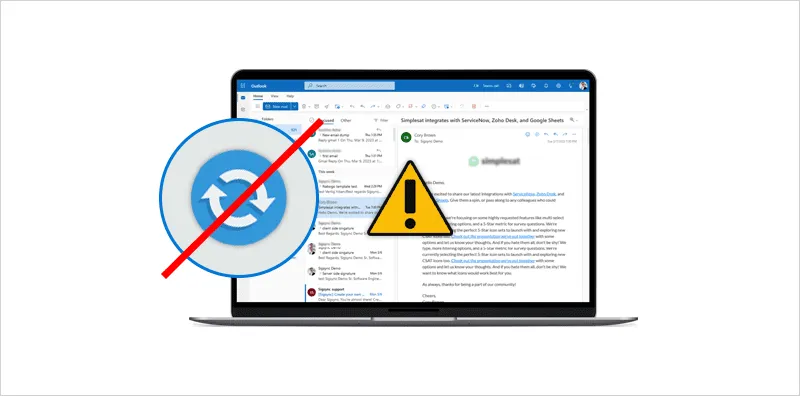
It happened in a blink. One moment, my entire digital life—years of work, personal photos, client files, and meticulously organized projects—was safely synced across my laptop, phone, and cloud storage. The next? Gone. Vanished. Erased by a silent, invisible force I never saw coming: a syncing error. If you’ve ever trusted your data to automatic sync tools like Google Drive, Dropbox, OneDrive, or iCloud, this story is for you. Because syncing errors can silently wipe out everything—even when you think you’re fully backed up.
This isn’t just a horror story. It’s a wake-up call. Syncing is supposed to protect us, not destroy us. But when misconfigured, interrupted, or caught in a loop, sync services can overwrite, delete, or corrupt files without warning. And once the damage is done, recovery is often impossible. I learned this the hard way—after losing over 12,000 files in under five minutes.
In this article, I’ll walk you through exactly what went wrong, how syncing errors happen, and—most importantly—how you can avoid becoming the next victim. Whether you’re a freelancer, student, small business owner, or just someone who values their digital memories, this cautionary tale could save your data.
How a Simple Sync Turned Into a Digital Disaster
It started with a routine update. I was working on a client project late at night, saving files to my Google Drive folder as usual. My laptop was low on battery, so I plugged it in and stepped away for a coffee. When I returned, the screen was frozen. I forced a restart—nothing unusual for an older machine.
But when I opened Google Drive, something felt off. The folder structure looked different. Files I’d saved just hours before were missing. I refreshed. Nothing. I checked the web version. Still gone. Panic set in. I opened my phone—same story. Years of tax documents, family photos from vacations, and project drafts had disappeared.
After hours of digging through trash folders, version histories, and support forums, I discovered the truth: a syncing error had occurred during the restart. My laptop had reconnected to the network and initiated a full sync—but it was syncing from an outdated local cache. Instead of uploading my recent changes, it overwrote the cloud version with the older local data. And because I hadn’t enabled “version history” or “file recovery” properly, there was no way to roll back.
What Exactly Is a Syncing Error?
A syncing error happens when two or more devices fail to properly align their data during a synchronization process. Sync tools are designed to keep files consistent across devices—your laptop, phone, tablet, and cloud—so that changes made on one device appear everywhere else.
But when something goes wrong—like a sudden shutdown, network interruption, software bug, or conflicting file versions—the sync process can break. Instead of merging changes, the system may overwrite, delete, or duplicate files incorrectly.
Common causes of syncing errors include:
- Sudden power loss or forced restarts during an active sync
- Conflicting file versions (e.g., editing the same file on two devices offline)
- Corrupted local cache in the sync client
- Software bugs in the sync application
- Incorrect sync settings (e.g., syncing the wrong folder or enabling “replace” instead of “merge”)
- Network instability causing partial uploads or failed handshakes
And here’s the scary part: most sync errors don’t trigger warnings. The app might show a green checkmark or say “up to date,” even while silently deleting your files.
Why Cloud Sync Isn’t the Same as a True Backup
Many people assume that because their files are in the cloud, they’re safe. But cloud sync and cloud backup are not the same thing.
Sync tools like Google Drive, Dropbox, and OneDrive are designed for accessibility and real-time collaboration—not disaster recovery. They mirror your local files to the cloud. If you delete a file locally, it gets deleted in the cloud too. If a sync error corrupts a file, the corrupted version replaces the good one everywhere.
True backup solutions, on the other hand, preserve multiple versions of your files over time. They allow you to restore data from a specific date, even if the current version is damaged or missing.
For example:
- Google Drive offers 30-day file recovery for deleted items—but only if you act quickly and haven’t emptied the trash.
- Dropbox keeps version history for 30 days (or longer with paid plans), but only for files that were successfully synced before the error.
- OneDrive has a “Files Restore” feature, but it only works if the sync client didn’t overwrite the data first.
In my case, the sync error happened so fast that the corrupted data replaced the healthy versions before any backup could kick in. The cloud didn’t save me—it helped destroy my data.
Real-World Examples of Syncing Catastrophes
You’re not alone. Countless users have shared similar horror stories online. Here are a few real examples:
Case 1: The Overwritten Portfolio
A graphic designer in Berlin lost her entire portfolio after a Dropbox sync conflict. She had edited a key project file on her tablet while offline, then synced it later. But her laptop had a newer version she hadn’t uploaded yet. Dropbox chose the older tablet version as the “correct” one and overwrote the laptop file. She lost weeks of work and had to rebuild her portfolio from scratch.
Case 2: The Vanished Family Photos
A father in Toronto uploaded 500 family photos to iCloud Photos. He then reorganized them on his Mac, creating new albums. But when he synced his iPhone, the albums disappeared. Apple’s sync logic interpreted the reorganization as a deletion and removed the albums from all devices. The photos were still in the library, but the organization—and years of curation—was gone forever.
Case 3: The Corrupted Business Database
A small accounting firm used Google Drive to share a critical Excel database. One employee edited the file offline, then synced it later. Another employee had also made changes. The sync failed to merge the versions and instead created a corrupted file that crashed Excel. The firm lost access to client records for three days and had to manually reconstruct data from emails and receipts.
These stories aren’t rare. They’re symptoms of a systemic flaw: we trust sync tools too much, and we don’t understand their limitations.
How to Prevent Syncing Errors from Wiping Your Data
The good news? Most syncing disasters are preventable. Here’s how to protect yourself:
1. Enable Version History and File Recovery
Always turn on version history in your sync service. For Google Drive, enable “Version history” in the file details. For Dropbox, upgrade to a plan with extended version history. This gives you a safety net if files are overwritten or deleted.
2. Use a True Backup Solution
Don’t rely on sync alone. Use a dedicated backup tool like Backblaze, Carbonite, or Time Machine (for Mac). These services create independent copies of your data and allow point-in-time restores.
3. Avoid Editing Files Offline on Multiple Devices
If you must work offline, stick to one device. Or use collaborative tools like Google Docs or Microsoft 365, which handle version conflicts better than local file sync.
4. Pause Sync Before Major Changes
Before reorganizing folders, deleting large batches of files, or performing system updates, pause your sync client. Make your changes, then resume syncing once everything is stable.
5. Monitor Sync Status Regularly
Check your sync app daily. Look for error messages, stuck files, or unusual activity. Don’t assume “green checkmark = everything’s fine.”
6. Keep Local Backups on External Drives
Use the 3-2-1 backup rule: 3 copies of your data, on 2 different media, with 1 copy offsite. For example: laptop + external hard drive + cloud backup.
7. Test Your Recovery Process
Once a month, simulate a data loss. Try restoring a file from backup. Make sure you know how to do it—before disaster strikes.
What to Do If You’ve Already Lost Data to a Syncing Error
If the worst has happened, don’t panic. Act fast.
Step 1: Stop Using the Affected Devices
Every time you save a file, you risk overwriting deleted data. Power down your devices immediately to prevent further damage.
Step 2: Check Trash and Version History
Look in the trash or recycle bin of your sync service. Check version history for overwritten files. Some services let you restore previous versions—if they were saved before the error.
Step 3: Use File Recovery Software
Tools like Recuva (Windows), Disk Drill (Mac/Windows), or PhotoRec can scan your hard drive for deleted files. They work best when used immediately after data loss.
Step 4: Contact Support
Reach out to your sync provider’s support team. While they can’t always recover data, they may have logs or backups you don’t. Google, for example, keeps deleted Drive files for 25 days in some cases.
Step 5: Restore from Backup
If you have a recent backup, restore your files from there. This is why backups matter—they’re your last line of defense.
In my case, I was able to recover about 30% of my files using Disk Drill and Google’s trash folder. The rest? Gone for good. A painful lesson, but one that changed how I handle data forever.
Key Takeaways: Protect Yourself from Syncing Errors
- Syncing ≠ Backup: Cloud sync keeps files in sync—it doesn’t protect them from errors or deletions.
- Syncing errors are silent killers: They can delete or corrupt data without warning.
- Version history is essential: Enable it on all your sync services.
- Use the 3-2-1 backup rule: Multiple copies, multiple locations.
- Test your recovery plan: Know how to restore data before you need to.
- Stay vigilant: Monitor sync status and avoid risky behaviors like offline editing on multiple devices.
FAQ: Syncing Errors and Data Loss
Can syncing errors really delete all my files?
Yes. If a sync error causes your device to overwrite cloud data with an outdated or corrupted local version, files can be permanently lost—especially if version history isn’t enabled or has expired.
How long do cloud services keep deleted files?
It varies. Google Drive keeps deleted files in trash for 30 days. Dropbox retains version history for 30 days (longer with paid plans). OneDrive offers 30-day file recovery. But once the trash is emptied or the window passes, recovery becomes nearly impossible.
Is there a way to prevent sync conflicts when editing the same file on two devices?
Yes. Use collaborative cloud editors like Google Docs, Sheets, or Microsoft 365 Online. These tools merge changes in real time and reduce the risk of overwrites. Avoid editing the same local file on multiple devices while offline.
Final Thoughts: Don’t Let Convenience Cost You Everything
We live in a world where syncing feels seamless, automatic, and safe. But behind the convenience lies a fragile system that can fail—catastrophically—when we least expect it. I lost all my data not because I was careless, but because I trusted the tools too much.
Syncing errors are preventable. With the right habits, backups, and awareness, you can enjoy the benefits of cloud sync without risking your digital life. Don’t wait for disaster to strike. Take action today.
Check your sync settings. Enable version history. Set up a real backup. And remember: the cloud is not a vault. It’s a mirror. And mirrors can break.