Imagine waking up to a fully updated blog—fresh content published overnight, SEO-optimized headlines ready to rank, and traffic already flowing in—without lifting a finger. That’s not a fantasy. It’s possible today with a fully automated AI blog that runs 24/7. Whether you’re a digital marketer, content creator, or entrepreneur, automation can transform your blogging game. No more burnout from constant writing, no more missed deadlines. Just consistent, high-quality content delivered on autopilot.
In this guide, we’ll walk you through every step to build your own AI-powered blog that operates around the clock. From choosing the right tools to setting up content pipelines and ensuring SEO performance, you’ll learn how to create a self-sustaining content engine. This isn’t about replacing human creativity—it’s about amplifying it with smart technology.
Why Automate Your Blog with AI?
Blogging is powerful, but it’s also time-consuming. Researching topics, writing drafts, optimizing for search engines, and scheduling posts can take hours—even days—per article. That’s where AI steps in. An automated AI blog doesn’t just save time; it scales your reach, boosts consistency, and keeps your audience engaged 24/7.
Here’s what automation brings to the table:
- Consistent Publishing: Never miss a post again. Your blog publishes on schedule, even while you sleep.
- SEO Optimization: AI tools analyze trending keywords and optimize content for search engines automatically.
- Content Variety: Generate diverse formats—articles, listicles, how-tos, and product reviews—without writer’s block.
- Cost Efficiency: Reduce reliance on freelance writers and content agencies.
- Data-Driven Insights: AI learns from performance data to refine future content.
With the right setup, your blog becomes a 24/7 content machine—working for you while you focus on strategy, growth, or simply taking a break.
Step 1: Choose the Right Platform and Hosting
Before diving into AI tools, you need a solid foundation. Your blog platform and hosting determine speed, reliability, and scalability. For automation, WordPress is the gold standard. It’s flexible, plugin-rich, and integrates seamlessly with AI tools.
Why WordPress?
- Over 40% of all websites use WordPress—proven reliability.
- Thousands of plugins for automation, SEO, and content management.
- Full control over design, functionality, and data.
Recommended Hosting Providers
For a 24/7 automated blog, uptime is critical. Choose a host with 99.9% uptime, fast servers, and automated backups. Top picks include:
- SiteGround: Excellent performance, daily backups, and AI-powered security.
- Kinsta: Premium managed WordPress hosting with global CDN.
- Cloudways: Flexible cloud hosting with auto-scaling for traffic spikes.
Once your site is live, install essential plugins like Yoast SEO or Rank Math for on-page optimization, and WP Rocket for speed. These tools work behind the scenes to keep your blog fast and search-friendly.
Step 2: Set Up Your AI Content Generation Pipeline
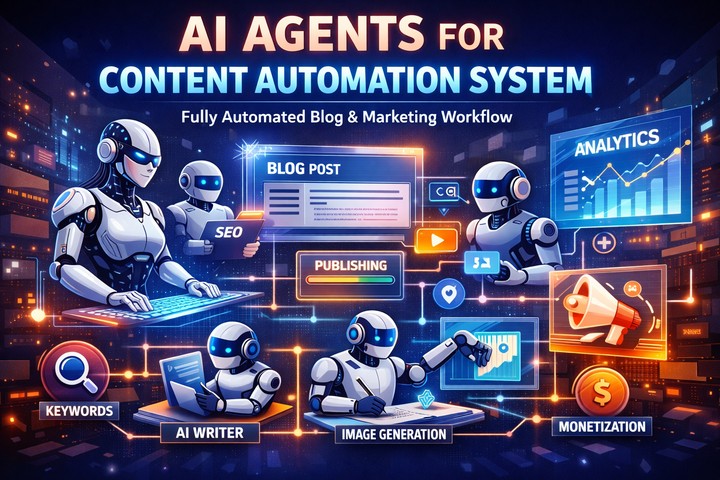
The heart of your automated blog is the AI content engine. This is where ideas become articles—without manual writing. Modern AI tools like Jasper, Writesonic, and Copy.ai can generate high-quality, human-like content in minutes.
How to Build Your Content Pipeline
- Define Your Niche: Focus on a specific topic (e.g., “AI tools for marketers” or “sustainable living tips”). Narrow niches perform better in search.
- Create a Topic Bank: Use AI to generate 50–100 blog ideas based on trending keywords. Tools like AnswerThePublic and Ubersuggest help uncover what people are searching for.
- Set Up Content Templates: Design reusable templates for different post types (e.g., “How-To Guides,” “Listicles,” “Product Reviews”). This ensures consistency and speeds up generation.
- Automate Writing: Connect your AI tool to your WordPress site via API or plugin. Some tools offer direct publishing, while others export content for review.
For example, you can set up a weekly trigger: every Monday, your AI tool pulls 5 new keyword ideas, generates drafts, and sends them to your WordPress dashboard for final review or auto-publish.
Step 3: Automate SEO and Keyword Optimization
Great content means nothing if no one finds it. That’s why SEO automation is non-negotiable. Your AI blog must not only write but also optimize for search engines—automatically.
Key SEO Automation Strategies
- Keyword Research Automation: Use tools like Surfer SEO or Clearscope to analyze top-ranking pages and suggest optimal keywords, headings, and content length.
- On-Page SEO: Plugins like Yoast SEO can auto-optimize meta titles, descriptions, and image alt text based on your target keyword.
- Internal Linking: AI tools like LinkWhisper scan your content and suggest relevant internal links to boost SEO and user engagement.
- Schema Markup: Automatically add structured data (e.g., FAQ schema, article schema) to help search engines understand your content.
With these systems in place, every new post is SEO-ready the moment it’s published. No manual tweaking required.
Step 4: Schedule and Publish Content Automatically
Consistency is key to ranking and retaining readers. But manually scheduling posts is tedious. Automation solves this with smart publishing workflows.
Tools for Automated Publishing
- WordPress Editorial Calendar: Visualize your content schedule and drag-and-drop posts to future dates.
- Revive Old Post: Automatically reshare older content on social media to keep it relevant.
- Zapier or Make (Integromat): Connect your AI content tool to WordPress. Example: When a new draft is ready in Jasper, Zapier auto-publishes it on your blog every Tuesday at 9 AM.
You can even set up seasonal content triggers. For instance, in December, your AI generates holiday-themed gift guides and publishes them automatically. No reminders, no stress.
Step 5: Monitor Performance and Optimize
An automated blog isn’t “set and forget.” It needs monitoring to stay effective. AI can help here too—by analyzing performance and suggesting improvements.
What to Track
- Traffic Sources: Where are visitors coming from? (Google, social, direct)
- Bounce Rate: Are readers staying or leaving quickly?
- Top-Performing Posts: Which topics drive the most engagement?
- Keyword Rankings: Are your posts climbing in search results?
AI Tools for Analytics
Use Google Analytics 4 with AI-powered insights to spot trends. Tools like Hotjar show heatmaps of user behavior. And SEMrush or Ahrefs track keyword rankings and backlinks automatically.
Set up weekly email reports to stay informed. Over time, use this data to refine your content strategy—focusing on what works and phasing out underperformers.
Step 6: Add Human Touch Where It Matters
AI is powerful, but it’s not perfect. While automation handles the heavy lifting, human oversight ensures quality and authenticity.
When to Step In
- Fact-Checking: AI can hallucinate facts. Always verify statistics, quotes, and technical details.
- Tone and Voice: Adjust the writing style to match your brand. A finance blog shouldn’t sound like a teen lifestyle site.
- Engagement: Reply to comments, update old posts, and interact with readers. AI can’t build relationships—only humans can.
Think of AI as your co-pilot. It flies the plane, but you’re still in the cockpit, making critical decisions.
Key Takeaways
- A fully automated AI blog that runs 24/7 is achievable with the right tools and strategy.
- Start with a reliable platform (WordPress) and hosting for stability.
- Use AI tools to generate, optimize, and schedule content automatically.
- Automate SEO, publishing, and performance tracking to maintain consistency.
- Never fully remove human oversight—quality control is essential.
- Monitor analytics and refine your approach based on real data.
FAQ
Can an AI blog rank on Google?
Yes—if done correctly. Google rewards high-quality, helpful content, regardless of whether it’s written by humans or AI. The key is originality, relevance, and SEO optimization. Avoid duplicate or low-effort content, and your AI blog can rank just as well as a human-written one.
How much does it cost to build an automated AI blog?
Costs vary, but you can start for under $100/month. Hosting ($10–$30), AI tools ($20–$50), and SEO plugins ($10–$20) are the main expenses. As you scale, you may invest in premium tools or team support, but the ROI from consistent traffic often outweighs the cost.
Is it ethical to use AI for blogging?
Absolutely—as long as you’re transparent and prioritize value. AI is a tool, like a word processor or camera. What matters is the quality of the output and the intent behind it. Always disclose AI use if required by your audience or platform, and focus on creating helpful, accurate content.
Final Thoughts
Building a fully automated AI blog that runs 24/7 isn’t about replacing creativity—it’s about multiplying it. With smart automation, you can publish more, rank higher, and grow faster than ever before. The future of blogging isn’t manual—it’s intelligent, efficient, and always on.
Start small. Pick one tool, automate one process, and scale from there. Before you know it, your blog will be working around the clock, bringing in traffic, leads, and revenue—while you focus on what truly matters: your vision, your audience, and your growth.
The age of passive content creation is here. Are you ready to build your 24/7 AI blog?